Picture this: a few months ago, you had a procedure. The surgeon seemed legitimate. The before-and-after photos on the website looked good. But something went wrong — or the result is so far from what you expected that you don’t recognize yourself in photos. You’re now trying to figure out what to do next, whether it can be fixed, and what that fix is going to cost.
This situation is more common than most people think. The ASPS estimates that revision and corrective procedures represent a significant and growing portion of plastic surgery volume — driven in part by the expansion of providers performing cosmetic procedures outside their core training. And the path forward requires getting clear on a few things first, because “botched” is a word that covers a wide range of situations with very different solutions.
Here’s a practical breakdown of what correction costs, where to find the right surgeon to do it, and what your legal options are.
What “botched” actually means — and why it matters
The word covers a wide range of situations with very different solutions. Being clear on which category applies to you determines what happens next.
Surgical complications: Infection, wound dehiscence, hematoma, nerve damage — these can occur even with properly performed surgery. They may require reoperation and additional costs, but they’re not necessarily malpractice.
Poor surgical technique: Actual technical errors — asymmetry, over-resection of tissue, malpositioned implants, inadequate closure — that produced a substandard result. These require corrective surgery.
Unmet expectations: The patient is unhappy with a result that may be technically correct but doesn’t match what they expected. This may not require correction, or may be addressable with minor revision.
True malpractice: Care that fell significantly below the standard of care — operating in non-sterile conditions, performing procedures outside the surgeon’s training, using non-FDA-approved products, or concealing complications after the fact.
Correction Cost by Problem Type
| Correction Needed | Approximate Cost |
|---|---|
| Asymmetry correction (breast, eyelid) | $4,000–$10,000 |
| Implant malposition (breast, chin) | $5,000–$12,000 |
| Capsular contracture correction | $6,000–$12,000 |
| Symmastia (“uniboob”) repair | $8,000–$15,000 |
| Rhinoplasty disaster correction | $10,000–$25,000+ |
| Necrosis management and reconstruction | $10,000–$40,000+ |
| Nerve damage (partial) — monitoring | $500–$2,000 |
| Fat necrosis correction | $3,000–$8,000 |
| Filler vascular complication treatment | $500–$2,000 |
| Infection management (IV antibiotics, debridement) | $5,000–$20,000+ |
Where to get botched surgery fixed
This is probably the most important question, because the wrong next surgeon can genuinely make things worse.
Board-certified plastic surgeon with revision specialty: For most botched cosmetic procedures, you don’t just want any board-certified plastic surgeon — you want a revision specialist. Someone who does high volumes of revision cases for the specific procedure you had. Their skill set is different from a primary surgeon’s, and the anatomy they’re working with is more complex.
Academic medical centers: Major university-based plastic surgery programs regularly see complex revision cases. Academic faculty have exposure to complications and difficult anatomy that private practice surgeons in low-complication settings may rarely encounter.
What to avoid: Going back to the surgeon who produced the poor result — unless it’s an active complication management situation where they have necessary context. For poor aesthetic outcomes, a fresh perspective from a different expert is almost always better.
RealSelf and patient community forums: These communities accumulate names of surgeons who consistently handle difficult cases and produce good outcomes.
Rhinoplasty Society, ASPS, ASAPS find-a-surgeon tools: Filter for board certification and subspecialty focus.
University plastic surgery departments: Call academic centers and ask specifically about complex revision consultations.
Peer referral from another board-certified plastic surgeon: Ask a plastic surgeon you trust for a referral to someone who handles this specific correction type.
Getting at least two independent opinions from qualified correction surgeons before proceeding is essential — they may have different approaches to the correction, and understanding those differences helps you make an informed choice.
Your legal options
If you believe your poor outcome resulted from malpractice — care that fell below the standard of care — you have legal options.
Medical malpractice claim: Requires proving the surgeon’s actions fell below the standard of care AND caused harm. Consultation with a medical malpractice attorney is typically free, and they’ll evaluate whether your case meets the threshold. Most work on contingency — no fee unless you win.
Medical board complaint: Filing with your state medical board doesn’t result in compensation, but it creates a record and may trigger an investigation. Appropriate for clearly egregious conduct, especially if you want to protect future patients.
Surgeon’s professional liability insurance: If malpractice is established, the surgeon’s professional liability insurance covers settlement or judgment costs. Many cases settle before trial.
Limitations: Malpractice cases are expensive to litigate — expert witness fees, attorney costs, lengthy timelines. A poor cosmetic result you’re unhappy with may not meet the legal malpractice standard, even if the result isn’t what you wanted. The standard is care below what a reasonable surgeon would provide, not “I don’t like it.”
The most common root cause of truly botched cosmetic surgery is not seeing a board-certified plastic surgeon. Physicians from other specialties — general surgeons, OB-GYNs, emergency physicians — sometimes perform cosmetic procedures without appropriate training. The dramatic results seen on programs like “Botched” typically involve non-specialists. Verifying ABPS board certification before any procedure dramatically reduces your risk of this category of bad outcome.
Financing correction surgery
Correction surgery after a botched procedure is almost never covered by insurance when the original procedure was cosmetic. Your options:
- CareCredit or Alphaeon Credit — same medical financing available for any cosmetic procedure
- Personal loans
- If a malpractice claim is pending, some attorneys can connect patients with litigation financing to cover correction costs while the claim is pursued
If the original surgeon’s professional liability insurance is paying out as part of a settlement, that may cover correction costs — work with your attorney on structuring this.
Psychological impact and realistic expectations for correction
Patients who’ve had bad results come to correction surgery with real anxiety, reduced trust, and high emotional investment in the outcome. Good revision surgeons know this and factor it into the consultation — they spend more time on what’s realistic versus what correction can and can’t fully reverse.
Some damage is permanent. Nerve damage, tissue loss from necrosis, significant scarring — even the best revision surgeon can’t produce a perfect result from severely compromised anatomy. Going in expecting significant improvement rather than perfection is both more accurate and better for your wellbeing through the process.
Bottom Line
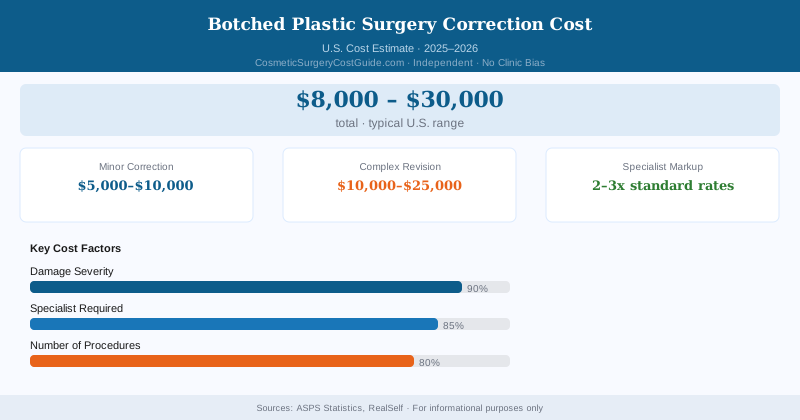
Correcting botched plastic surgery costs $5,000–$25,000+ depending on the problem and complexity. Find a board-certified surgeon who specifically handles revision cases for the procedure you had — not just any ABPS surgeon, but one with a revision specialty. Get at least two independent opinions. Consult a medical malpractice attorney if you believe care fell below the standard — initial consultations are typically free. And if you haven’t had the original procedure yet: verify ABPS certification at abplsurg.org before you book anything. The most effective way to avoid correction costs is not needing them.