In 2018, a “Botox lip flip” was barely a term most injectors knew. By 2023, it had become one of the most searched injectable treatments in the country — and it costs a fraction of what lip filler does. If you’ve been eyeing that subtle upper-lip curl but aren’t ready to commit to filler, this guide breaks down exactly what you’ll pay and what you’ll get.
What Is a Botox Lip Flip?
A lip flip uses a tiny amount of Botox (usually 4–6 units) injected into the orbicularis oris muscle just above the upper lip. This relaxes the muscle so the lip gently rolls outward, creating the appearance of a fuller upper lip without adding volume. It’s not filler — there’s no gel being injected, and the result is subtle rather than voluminous.
The American Society of Plastic Surgeons reported that neuromodulator treatments (Botox, Dysport, Xeomin) were performed over 9.1 million times in 2023, making them the single most popular cosmetic procedure in the United States. Lip flips are a growing slice of that number.
How Much Does a Botox Lip Flip Cost?
| Service | Low | Typical | High |
|---|---|---|---|
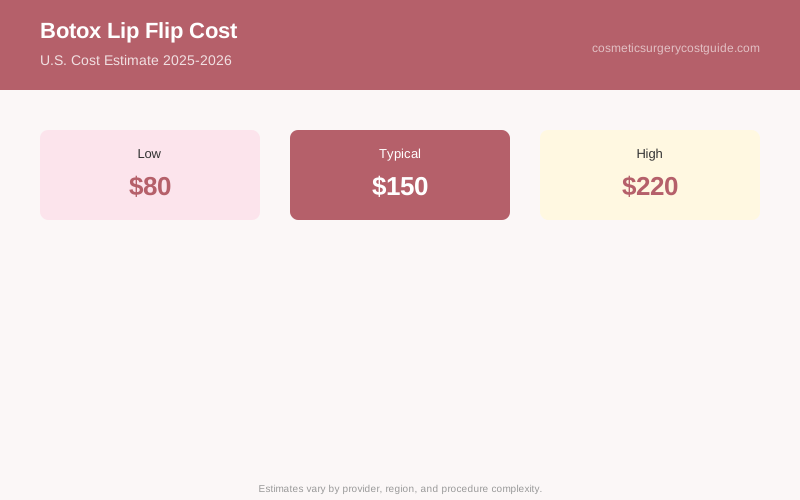
| Botox lip flip (4–6 units) | $80 | $150 | $220 |
| Per-unit pricing (Botox) | — | $12–$20/unit | — |
| With full lip filler added | $500 | $900 | $1,400 |
| Touch-up visit | $50 | $80 | $120 |
Most providers price Botox either per unit or per area. For a lip flip, you’re typically looking at 4–6 units, so at $12–$20 per unit, that’s $48–$120 just for the product — plus the injector’s fee. Flat-fee “lip flip” packages usually run $80–$200 all-in.
What Drives the Price Up or Down?
Injector credentials matter most. A board-certified dermatologist or plastic surgeon in a major city may charge $200+. A nurse injector at a medical spa in a suburban market might charge $80–$120 for the same amount of product. The skill level — not just the credential — determines whether you get a natural result or an uneven one.
Geographic variation is real. New York, Los Angeles, and Miami run on the high end. The Midwest and South tend to be 20–35% cheaper for comparable service.
Brand of neuromodulator. Botox (onabotulinumtoxinA) is the gold standard, but Dysport and Xeomin are also used for lip flips at slightly different dosing ratios. Some providers pass cost savings from off-brand neuromodulators to patients; others charge the same regardless.
Lip flip: Best if you want your upper lip to show more when you smile. Results are subtle — you won’t look “done.” Lasts 6–8 weeks.
Lip filler: Best if you want actual volume, better definition, or a more pronounced cupid’s bow. Lasts 6–12 months. Costs $500–$1,200.
Both together: Many injectors combine a small amount of filler with a lip flip for a natural-looking result that’s still volumized. Expect to pay $600–$1,000 total.
How Long Does It Last?
This is where the lip flip gets tricky. Because so few units are used, the results typically only last 6–8 weeks — shorter than standard Botox treatments that last 3–4 months. That means you’ll need 4–6 touch-ups per year to maintain the look, which adds up to $320–$1,320 annually.
Compare that to lip filler, which lasts 6–12 months and costs $500–$1,200 upfront. For some women, filler ends up being more cost-effective over 12 months.
What to Expect During and After Treatment
The treatment itself takes about 5–10 minutes. Most injectors use a topical numbing cream for 10–15 minutes beforehand, though many patients find the injections mild without it. You’ll typically see results within 3–5 days as the muscle relaxes.
Side effects to know about:
- Temporary difficulty with straws or whistling (the lip muscle is relaxed)
- Very mild bruising or swelling (usually resolves in 24–48 hours)
- Asymmetry if the injector uses uneven placement — this is why provider skill matters
Avoid very cheap “Botox parties” or deals that seem drastically below market rate. Counterfeit or diluted neurotoxins do exist. Always confirm your provider uses authentic, FDA-approved product and can show the lot number on request.
Does Insurance Cover a Lip Flip?
No. Lip flips are purely cosmetic and aren’t covered by insurance. Some FSA/HSA accounts won’t cover cosmetic injectables either — check your plan before assuming you can use those funds.
Is It Worth the Cost?
For women who want a natural enhancement without committing to filler, the lip flip is genuinely one of the most cost-effective cosmetic treatments available. At $80–$150, you’re paying less than most facials. The catch is the short duration — you’ll either need to budget for repeat visits or accept that it’s a temporary experiment.
According to RealSelf’s satisfaction data, the Botox lip flip has a “Worth It” rating above 80% among reviewers — one of the higher ratings for any injectable treatment. Most complaints center on results being too subtle rather than looking unnatural.
If you’re happy with your lower lip and just want the upper lip to peek out more when you smile, a lip flip is worth trying. If you want noticeable volume, go straight to filler.
Finding the Right Provider
Look for injectors who specialize in lips specifically — not just any Botox provider. Ask to see before-and-after photos of lip flips they’ve done, not just general Botox results. A good injector will assess your natural lip anatomy and tell you honestly whether a flip, filler, or a combination will give you the result you’re after.
Most reputable providers offer free consultations. Use that time to discuss your goals, ask about the exact dosing they plan to use, and get a clear sense of what the result will and won’t look like.