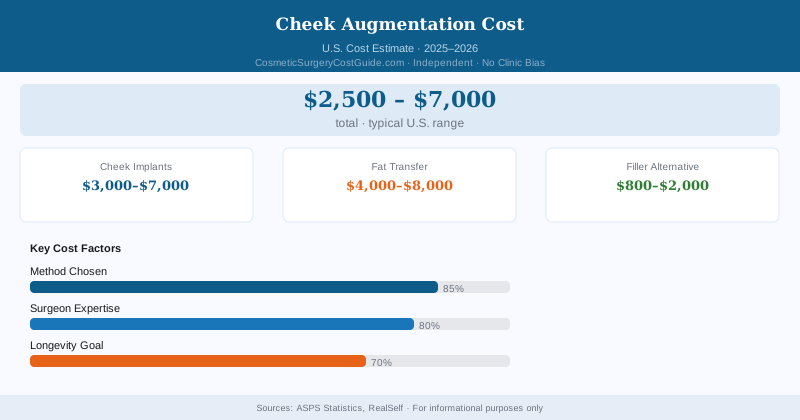
Filler or implants: on the surface, it looks like an easy cost comparison. Filler wins on upfront price every single time. But run the numbers over five years and the math flips — sometimes dramatically. The ASPS reports that facial implant procedures have grown steadily as patients do that math themselves and realize permanent surgery can cost less long-term than a filler habit.
The upfront range really does span the map: $800 for a single syringe of cheek filler to $8,000 or more for surgical implants with all fees included. Here’s what actually separates those options and how to think through which makes sense for your situation.
Cost Comparison at a Glance
| Option | Cost | Duration | Downtime |
|---|---|---|---|
| Hyaluronic acid cheek filler (1 syringe) | $600–$900 | 12–18 months | Minimal |
| Hyaluronic acid filler (2 syringes) | $1,100–$1,700 | 12–18 months | Minimal |
| Sculptra (2–3 vials) | $1,400–$2,400 | 2+ years | Minimal |
| Radiesse | $700–$1,200 | 15–24 months | Minimal |
| Cheek implants (surgeon fee) | $3,000–$5,500 | Permanent | 1–2 weeks |
| Cheek implants (all-in) | $4,500–$8,000 | Permanent | 1–2 weeks |
| Fat grafting to cheeks | $2,500–$5,000 | Semi-permanent | 1–2 weeks |
Fillers: The Dominant Choice
Dermal fillers — particularly hyaluronic acid products like Juvederm Voluma and Restylane Contour — are how most cheek augmentation gets done each year. They’re easy to see why: no downtime, you see results immediately, you can reverse them if needed, and the per-session cost feels manageable.
Most patients need 1–2 syringes per treatment to get noticeable definition. Voluma is specifically FDA-approved for the mid-face and tends to last 18–24 months in the cheek area, running $700–$1,000 per syringe at most injector practices.
The cumulative cost is where things get interesting, though. Treat every 18 months for five years and you’ve spent $4,000–$8,000 on filler alone. That’s often more than surgical implants would have cost — and you don’t own anything permanent at the end of it.
Juvederm Voluma: Immediate results, 18–24-month duration, reversible with hyaluronidase. Best for patients who want to see results right away and may want adjustments.
Sculptra (poly-L-lactic acid): Stimulates your own collagen production over 3–4 months. Results develop gradually, last 2+ years, and can’t be dissolved. Better value per year for patients committed to the look.
A full Sculptra treatment for cheeks typically requires 2–3 vials over 2–3 appointments, totaling $1,400–$2,400.
Cheek Implants: The Permanent Solution
Cheek implants are silicone prostheses placed directly on the cheekbone through small incisions made either inside the mouth or in the lower eyelid crease. They create permanent structural definition that filler genuinely can’t replicate — especially for patients who want actual bone-level projection, not just volume added on top.
Implants come in several styles: malar (directly over the cheekbone), submalar (targeting the hollow below the cheekbone for volume rather than projection), and combined malar-submalar. Getting the style right requires real analysis of your bone structure, so don’t skip the in-person consultation.
Recovery is real. Expect significant swelling for the first two weeks, some restriction in jaw movement, and a liquid or soft diet for 1–2 weeks if the incisions were made inside the mouth. Most people are presentable for normal social situations around weeks 2–3.
Fat Grafting as an Alternative
Fat transfer to the cheeks means harvesting fat from somewhere else on your body — usually the abdomen or inner thigh — and injecting it into the mid-face. The appeal is obvious: natural material, natural feel. The catch is that 30–50% of transferred fat reabsorbs over the first few months. Surgeons account for this by overfilling at the time of surgery.
What survives past the 6-month mark tends to be lasting. The cost ($2,500–$5,000 for the surgical component) is lower than cheek implants, but you’re trading some predictability in final volume for the natural-tissue benefit.
When Combination Makes Sense
Cheek augmentation — particularly implants or fat grafting — is commonly paired with facelifts, rhinoplasty, or blepharoplasty. If you’re already in the operating room for another facial procedure, adding cheek work typically runs $1,500–$3,500 more in surgeon fee but saves you the full facility and anesthesia cost of scheduling it separately. That’s a real savings worth asking your surgeon about.
Cheek filler overfilling is one of the more common aesthetic mistakes providers make. Overfilled cheeks create an unnatural, swollen appearance — sometimes called “pillow face.” Always see a provider who takes a conservative approach and shows you results from multiple angles. Hyaluronic acid fillers can be dissolved if over-done; Sculptra and Radiesse cannot.
Geographic Price Differences
The filler product cost is somewhat standardized across the country — it’s the injector fee that varies a lot. A top injector at a high-end medical spa in Beverly Hills might charge $1,200 per syringe for the same Voluma that a plastic surgery practice in Kansas City charges $650 for. Location matters, but skill matters more. Don’t let price alone drive the choice; look at before-and-after results from that specific provider.
Bottom Line
For non-surgical cheek augmentation: 1–2 syringes of Juvederm Voluma runs $1,100–$1,800 and lasts 18–24 months. According to ASPS data, filler procedures dominate the market for mid-face enhancement, but surgical cheek implants at $4,500–$8,000 all-in often win on total cost for patients who plan to maintain their look long-term. Fat grafting falls in the middle at $3,000–$5,500. If you’ve been doing filler for a couple of years and you love the look every time, it’s worth having a consultation with a facial plastic surgeon about permanent options.