Picture this: your tummy tuck is booked, the $9,500 surgeon fee is paid, and you feel prepared. Then three days post-op, you realize you need prescription medications, compression garments, lymphatic drainage massages, prepared food deliveries because you can’t stand at the stove, and two weeks off your hourly job that doesn’t offer paid leave. None of that was in the quoted price.
This gap between the surgical fee and the real total cost catches a lot of patients off guard. According to ASPS patient surveys, recovery-related expenses are one of the most consistently underestimated costs in cosmetic surgery planning. The good news: these costs aren’t unpredictable if you plan for them before surgery, not after.
Recovery Cost Overview by Procedure
| Procedure | Typical Recovery Costs | Notes |
|---|---|---|
| Rhinoplasty | $400–$1,200 | 1–2 weeks off work, medications |
| Facelift | $600–$2,000 | 2–3 weeks off, garments, massages |
| Tummy tuck | $800–$2,500 | 2–4 weeks off, drains, binder |
| Liposuction (multi-area) | $400–$1,500 | Garments, massages, time off |
| Breast augmentation | $300–$800 | Surgical bra, medications |
| Breast reduction | $400–$1,000 | Compression bra, medications |
| BBL | $600–$2,000 | BBL pillow, massages, time off |
| Mommy makeover | $1,200–$3,500 | Combined, longer recovery |
| Body lift | $1,500–$4,000 | Extended recovery, significant needs |
What Recovery Costs Include
Medications: Most procedures mean prescription pain medication for the first few days ($30–$100), antibiotics ($20–$60), anti-nausea medication ($15–$40), and various topical treatments. Total medications per procedure: $75–$250.
Compression garments: Essential after liposuction, tummy tuck, BBL, and body contouring. Most surgeons include one garment; many patients buy additional ones for comfort. Quality compression garments run $60–$150 each.
Post-operative massages: Lymphatic drainage massage after liposuction, tummy tuck, and BBL isn’t a luxury — it directly affects your results. Typical course: 4–10 sessions at $75–$150 each, totaling $300–$1,500.
Time off work: The biggest hidden cost, and the one that varies most. Two weeks of unpaid leave from a $60,000/year job is $2,300 in lost income. That alone can exceed the cost of medications, garments, and massages combined. Calculate it based on your actual situation.
Help at home: Major surgery means you can’t lift children, bend down easily, or sometimes help yourself to a shower during the first week. If you need to hire a home health aide: $150–$300/day. If you’re relying on family — that’s a different kind of cost to plan for.
A realistic recovery budget template for a major procedure (e.g., tummy tuck):
- Prescription medications: $100–$200
- Anti-nausea and over-the-counter supplements (arnica, bromelain): $40–$80
- Extra compression garments: $100–$200
- Lymphatic drainage massages (6 sessions): $500–$900
- Post-op supplies (gauze, medical tape, wound care): $30–$60
- Prepared meals or food delivery: $100–$300 (cooking is restricted early)
- Time off work (2 weeks at your daily rate): calculate based on your income
- Home help if needed: $300–$1,000
- Total supplemental recovery costs: $1,170–$2,740 + income loss
This doesn’t change whether the surgery is worth it — but knowing the true all-in cost avoids sticker shock.
Lost Income: The Biggest Overlooked Cost
If you’re salaried with PTO, recovery time doesn’t cost income — but it depletes vacation days. For hourly workers, self-employed people, or anyone who’s already used their PTO, recovery means real income loss.
Typical time off by procedure:
- Injectables (Botox, filler): 0–1 days
- Minor procedures (skin tag, mole removal): 0–1 days
- Rhinoplasty: 7–14 days
- Breast augmentation: 5–7 days (desk work)
- Facelift: 10–21 days
- Tummy tuck: 14–28 days
- Mommy makeover: 14–21 days
- Body lift: 21–42 days
A nurse or teacher at $35/hour working 8-hour days loses $2,800 in wages over a two-week recovery. That number often eclipses what they spent on medications, garments, and massages put together. Don’t let it be a surprise.
Procedure-Specific Recovery Items
After rhinoplasty: Nasal saline spray, sleeping elevated, bruise-reducing supplements, possibly prescription arnica gel. Figure $75–$150 in supplies total.
After BBL: A specialized BBL pillow ($25–$60) lets you sit with weight on your thighs rather than your buttocks — you’ll use it for 2–3 weeks and you can’t really skip it. Inexpensive and essential.
After facelift: A chin strap or facial compression garment (often provided by your surgeon), arnica supplements, and cold compresses for the first 48 hours.
After breast surgery: Front-closure surgical bra (often included in surgical fee, but replacements are useful): $30–$60 each. A softer sleeping bra for the later recovery weeks: $20–$40.
After liposuction: Foam pads or foam boards worn inside the compression garment prevent lumpy scar formation: $20–$40 and worth every dollar.
Post-operative massages after liposuction and BBL aren’t just comfort measures — they directly affect results. Lymphatic drainage massage reduces fibrosis (internal scar formation that creates lumps and irregular texture) and promotes the uniform swelling resolution that leads to smooth final results. Skipping massages to save money can literally worsen the aesthetic outcome. Budget for them as part of the procedure cost, not as an optional luxury.
Recovery Aids Worth Buying vs. Overrated
Worth buying:
- Wedge pillow for post-op elevation (breast surgery and rhinoplasty): $30–$60
- Arnica Montana supplements: evidence-supported for bruise reduction: $15–$30
- High-waisted, button-front loose clothing (critical for tummy tuck recovery): $50–$100
- Quality compression socks (DVT prevention during early recovery): $25–$50
Overrated:
- Expensive “post-op recovery kits”: Usually ordinary supplements marked up 3–5x and sold by practices as a profit center
- Infrared sauna sessions during early recovery: insufficient evidence of benefit
- Most “healing” topicals beyond the standard wound care your surgeon prescribes
Bottom Line
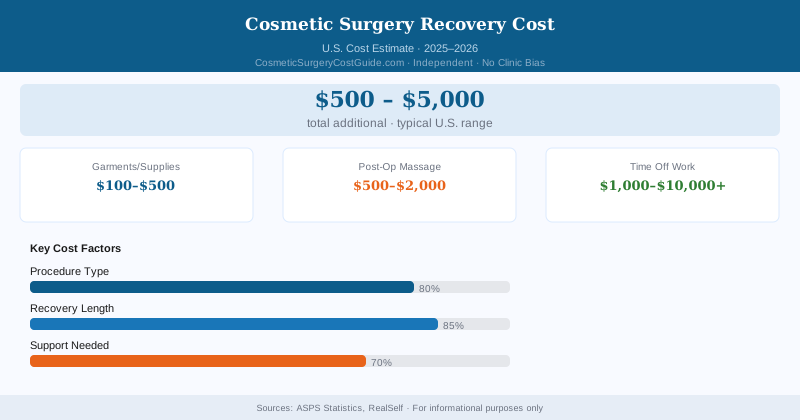
Budget an additional $500–$2,500 in supplemental recovery costs beyond whatever was quoted for the surgery itself. Then calculate your personal income loss based on your actual hourly rate and expected time off. For combined procedures or major body contouring, the recovery budget can realistically reach $3,000–$4,000 before you factor in lost wages. Build this into your total before you sign anything — not after you’re home with drains in and a delivery app habit forming.