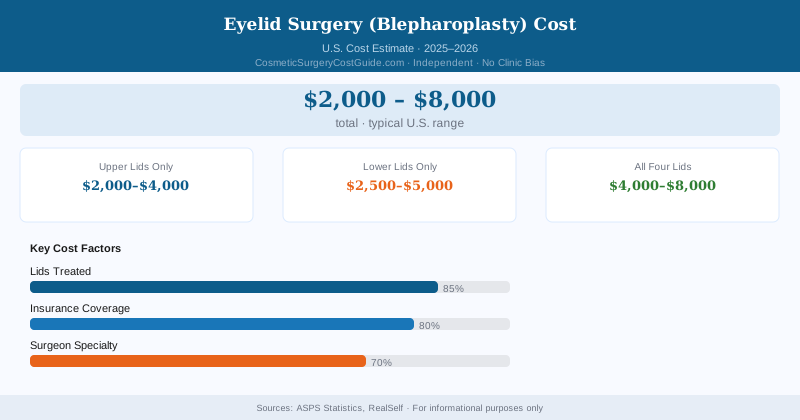
Blepharoplasty ranked among the top five cosmetic surgical procedures in the US last year, according to ASPS data — and that’s been true for a decade. The ASPS puts the average surgeon fee at $3,609, though that figure covers all eyelid procedures combined. Upper-only costs less. Lower-only costs more. Both together cost more still — but meaningfully less than scheduling them separately.
Here’s what you’re actually looking at.
Cost by Type of Blepharoplasty
| Procedure | Surgeon Fee | All-In Cost |
|---|---|---|
| Upper blepharoplasty only | $1,800–$4,500 | $2,500–$6,000 |
| Lower blepharoplasty only | $2,500–$5,500 | $3,500–$7,500 |
| Upper + lower (both eyes) | $3,500–$7,000 | $5,000–$10,000 |
| Asian blepharoplasty (double eyelid) | $3,000–$6,500 | $4,500–$9,000 |
| Transconjunctival lower blepharoplasty | $2,800–$5,500 | $4,000–$7,500 |
Combining upper and lower at the same time saves money — you’re paying for anesthesia and the facility once instead of twice. That typically saves $1,500–$2,500 compared to scheduling them as separate procedures.
When Insurance Covers Eyelid Surgery
Upper eyelid surgery can qualify for insurance coverage when ptosis causes actual functional vision impairment. To qualify you’ll typically need:
- Documentation from an ophthalmologist or optometrist showing the extent of visual field obstruction
- Visual field test results demonstrating the impairment
- Photographs showing the lid margin at or below the pupil level
- Pre-authorization from your insurer
Insurers typically require visual field testing done with and without the eyelids taped up. If taping the lids open improves your peripheral vision by 12 degrees or more (criteria vary by insurer), you may qualify for coverage. The test itself usually costs $150–$300 and is performed by an ophthalmologist. Even with coverage, you’ll still pay your deductible and any applicable copays.
If only part of the procedure qualifies as medically necessary, you’ll often get split billing — insurance covers the functional upper lid work, you self-pay for any cosmetic component or lower lid work. That’s common and legitimate.
Lower Blepharoplasty: More Complex, Higher Cost
Lower eyelid surgery is generally more complex and costs more than upper lid work. The goals are different — it’s about repositioning or removing fat pads causing under-eye puffiness, managing excess skin, sometimes tightening the lower lid itself.
Transconjunctival lower blepharoplasty: Incision goes inside the eyelid — no external scar. This approach works best when fat is the main issue rather than skin excess. Recovery tends to be faster with less bruising risk.
External lower blepharoplasty: Incision runs just below the lash line. Necessary when there’s significant excess skin as well as fat. The scar is typically very well-concealed in the lower lash shadow and fades well in most patients.
What Else Drives the Price
Combination procedures: Lower blepharoplasty is often done alongside fat transfer to hollow under-eyes, tear trough filler, or a mid-face lift. Fat grafting adds $1,500–$3,000 but can produce a noticeably fuller result than eyelid work alone — worth discussing with your surgeon.
Surgeon type: Oculoplastic surgeons (ophthalmologists who specialize in eyelid surgery) and board-certified plastic surgeons both perform blepharoplasty. Both can deliver excellent outcomes. For complex functional cases — especially true ptosis repair — oculoplastic surgeons often have an edge.
Anesthesia type: Upper blepharoplasty frequently works under local anesthesia with oral sedation, which costs less than IV sedation or general. Lower lid work usually requires IV sedation. That anesthesia difference typically shifts the total cost by $500–$1,200.
Eyelid surgery requires precise technique. The lower eyelids in particular can develop complications including ectropion (lid turning outward), dry eye, or asymmetry if not performed carefully. Always look for a surgeon with dedicated eyelid surgery experience. Saving a few hundred dollars on a less experienced surgeon is rarely worth the risk around your eyes.
Recovery Costs
Recovery is manageable — here’s what to budget for:
- Eye drops and ointment: $30–$80
- Cold compresses or gel masks for the first few days: $20–$40
- Arnica supplements to reduce bruising: $15–$30
- Time off work if your job involves screens or public interaction: typically about a week
- Sunglasses (UV protection matters post-op): $30–$100
Geographic Price Variation
New York, Los Angeles, and South Florida run 25–40% above the national average. Major Southern and Midwestern markets — Atlanta, Dallas, Chicago, Denver — tend to track closer to average. Smaller markets can run 10–20% below average.
Bottom Line
Upper blepharoplasty alone: budget $3,000–$5,500 all-in. Both upper and lower together: plan for $6,000–$9,500. If your drooping upper lids are affecting your vision, get a visual field test from an ophthalmologist before assuming you’ll pay entirely out of pocket. Insurance coverage for functional ptosis is more accessible than most patients expect.