Most patients budget down to the dollar for the implants and then get caught flat-footed by week one. The surgical bra, the pillows you can’t sleep without, the days you can’t lift your toddler. None of it is on the quote, but all of it is real, and it adds up faster than you’d think.
A breast augmentation is one of the more manageable cosmetic recoveries, but “manageable” still isn’t free. The American Society of Plastic Surgeons reported more than 304,000 breast augmentations in 2023, making it the single most popular cosmetic surgery in the U.S. Here’s what the recovery side of that costs.
The Recovery Line Items
Augmentation recovery is gentler than body work, so the numbers are lower than, say, a tummy tuck. But there’s a predictable cluster of costs in the first six weeks.
| Item | Cost |
|---|---|
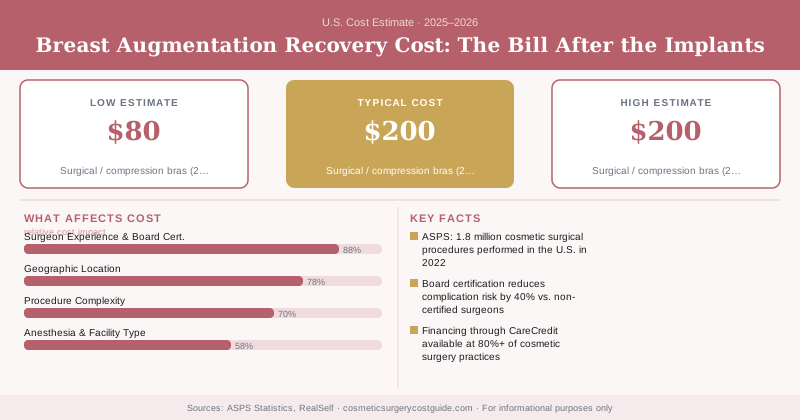
| Surgical / compression bras (2 needed) | $80–$200 |
| Post-op support band or strap | $20–$50 |
| Prescription pain meds & muscle relaxants | $25–$90 |
| Wedge pillow for upright sleeping | $30–$70 |
| Scar treatment (silicone gel/sheets) | $40–$150 |
| Help at home (first 3–5 days) | $150–$600 |
| Lost wages (1–2 weeks off) | $500–$2,400 |
| Total non-surgical recovery | $845–$3,560 |
That bottom line surprises people. The implants get all the attention, but recovery can quietly tack on a couple thousand.
Why You Need Two Bras
You’ll live in a surgical bra around the clock for several weeks. Like any garment you wear constantly, you need a clean one while the other’s in the wash. Surgeons often provide the first; buy the second yourself. Underwire is off-limits for weeks, so don’t count your regular bras.
Sleeping Sitting Up Has a Cost
For the first week or two you’ll sleep on your back at an incline, not flat and not on your side. A wedge pillow or an adjustable bed setup makes that survivable. It’s a $30–$70 buy that genuinely affects how miserable week one feels.
Plan for $800–$2,000 beyond your surgery quote, mostly in time off work and two surgical bras. Augmentation recovery is easier than body procedures, but lost wages from a week or two off are the line item that catches people.
The Lifting Restriction Is the Hidden Wage Hit
If your implants go under the muscle, which is common, you can’t lift more than a few pounds for weeks. That means no carrying kids, no gym, and no physical job. Parents of young children almost always need paid help for the first several days, and that’s the cost nobody plans for.
Going back to work or the gym too early is a costly mistake. Pushing the chest muscle before it’s healed can shift an under-muscle implant or trigger bleeding that requires a return to the OR. A few extra rest days are far cheaper than revision surgery.
Scar Care Runs for Months
Whether your incision is in the fold, around the areola, or in the armpit, silicone gel or sheets help it fade. Budget $40–$150 for a multi-month supply, and expect to use it for three to six months. It’s optional, but most patients who care about scar appearance use it.
Keeping the Total Down
Ask your surgeon what’s in the post-op kit; many include the first surgical bra and a support band. Buy your second bra and your wedge pillow at retail instead of through the office. And if you ever add a breast lift or combine this with other work in a mommy makeover, expect the recovery costs to stack accordingly.
If money’s the bottleneck, spreading the surgery cost with financing keeps your recovery fund intact. And our full recovery guide walks the week-by-week timeline so nothing in those first six weeks blindsides you. The implants are the headline. The recovery is the part you actually have to live through, so budget for it like it matters.
Frequently Asked Questions
A quality surgical bra typically runs $60–$150, and most patients need 2–3 bras for the first 6 weeks of recovery. Additional compression garments and specialized pillows can add another $100–$300 to your total recovery costs.
No—since breast augmentation is elective cosmetic surgery, health insurance covers neither the procedure nor recovery expenses like medication, special bras, or time off work. You are responsible for 100% of recovery-related costs out-of-pocket.
Most patients need 1–2 weeks off work for a desk job, or 3–4 weeks if their job involves lifting or physical activity. Lost wages during that period vary widely by income, but combined with childcare or household help costs ($200–$800 per week), time off is often the largest hidden recovery expense.