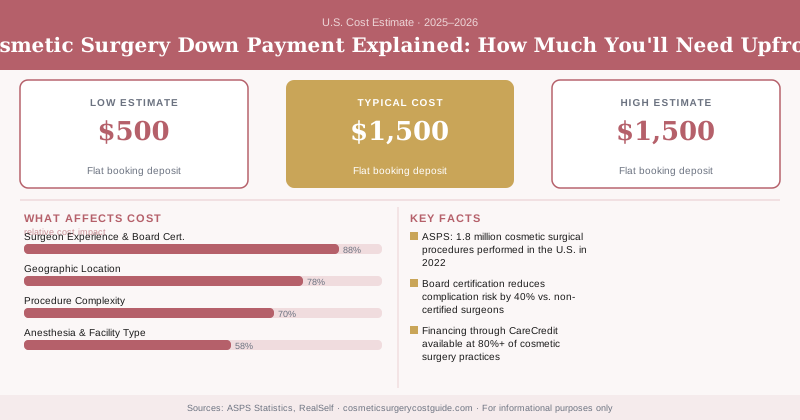
In 2010, plenty of surgeons took full payment on surgery day. Today, almost every reputable practice wants money upfront just to reserve your slot — and patients are often blindsided by how much. On a $9,000 procedure, a deposit can run anywhere from $900 to $4,500 depending on the office’s policy. If you’ve budgeted only the total and not the timing, that upfront chunk can derail your plans.
So let’s clear up exactly what a cosmetic surgery down payment is, how much you’ll need, and when.
What a Down Payment Actually Covers
A cosmetic surgery deposit usually does two jobs: it reserves your surgery date (an opportunity cost for the surgeon’s time) and it often covers non-refundable costs the office incurs early, like booking the operating facility and anesthesiologist.
Practices structure it a few different ways:
| Deposit Structure | Typical Amount | When Due |
|---|---|---|
| Flat booking deposit | $500 – $1,500 | At scheduling |
| Percentage of total | 10% – 50% | At scheduling or pre-op |
| Surgeon’s fee upfront | Full surgeon’s fee | Weeks before surgery |
| Balance due | Remainder | 1–4 weeks pre-op |
Notice that final balance is almost always due before surgery, not after. Most practices require the full amount cleared one to four weeks ahead so funds have settled. You won’t be walking out post-op to a payment plan.
Plan for two due dates, not one: a deposit (often 10–50%) when you book, and the full remaining balance one to four weeks before surgery. Deposits are frequently non-refundable, so don’t put one down until you’re certain about the surgeon and the date.
Is the Deposit Refundable?
Usually not — at least not fully. Most offices keep some or all of a deposit if you cancel, because they’ve already committed facility time. Always get the cancellation and refund policy in writing before paying. According to the Aesthetic Society, Americans spent more than $11 billion on aesthetic procedures in 2023, and the deposit-to-secure model is now standard practice across the industry.
A surgeon demanding 100% payment months in advance with no clear refund terms is a yellow flag. Reputable practices tie deposits to actual booked costs and document the refund policy. If an office pressures you to pay everything upfront the day you consult, slow down and read the contract.
How Financing Changes the Down Payment
If you finance, the lender typically pays the practice in full upfront — so the office gets its money, and your “down payment” becomes whatever the lender requires. Some financing products fund 100% with no money down; others want 10–20% from you. A larger down payment means borrowing less and paying less interest overall. See cosmetic surgery financing for how this works, and CareCredit for the most common office-linked option.
How Much Should You Put Down?
If you’re paying cash and the deposit is refundable, a smaller deposit keeps your money liquid until surgery. If you’re financing, a bigger down payment is almost always smart — every dollar you put down is a dollar you don’t pay interest on. Running the math on a $9,000 procedure, a 30% down payment ($2,700) can shave hundreds off total financing costs versus zero down.
Trim the total first so the deposit shrinks too. How to save money on cosmetic surgery covers timing and negotiation, and prices vary enough by region that plastic surgery cost by state is worth a look before you book.
The Bottom Line
Expect to put down 10% to 50% to reserve your cosmetic surgery date, with the full balance due one to four weeks before the procedure — not after. Deposits are often non-refundable, so commit only when you’re sure. If you’re financing, a larger down payment cuts your interest; if you’re paying cash, keep deposits modest and get every refund term in writing.
Frequently Asked Questions
Most cosmetic surgeons require a down payment of 10% to 50% of the total procedure cost to reserve your surgery date. For a $9,000 procedure, you can expect to pay $900 to $4,500 upfront before your surgery day, with the remainder due at the time of your procedure or shortly after.
Health insurance does not cover cosmetic surgery or down payments since these procedures are elective and not medically necessary. You will be responsible for 100% of the out-of-pocket cost, including the upfront deposit and all remaining fees, unless you use a medical financing plan.
Your deposit is typically required at the time of your surgical consultation or within a few days of booking your procedure to secure your surgery date on the surgeon's schedule. The remaining balance is usually due on the day of surgery or in the weeks leading up to your procedure, depending on the practice's payment policy.