You’ve done the hard part — lost the weight, had the babies, put in the gym hours — and there’s still a stubborn apron of loose skin that no plank is going to fix. So the natural question is whether insurance will help foot the bill. The honest answer: for a true tummy tuck, basically never. But there’s a closely related procedure that sometimes does qualify, and knowing the difference is worth thousands.
Cosmetic vs. Medical: The Line Insurers Draw
Insurers split abdominal surgery into two buckets, and which one you fall into decides everything.
A tummy tuck (abdominoplasty) is cosmetic. It removes excess skin and tightens separated abdominal muscles to flatten and reshape your midsection. Because it’s about appearance and contour, carriers classify it as elective — full stop.
A panniculectomy is different. It removes only the overhanging “pannus” of skin and fat that can hang below the waistline after major weight loss. No muscle tightening, no contouring. When that skin fold traps moisture and causes recurring rashes, infections, or open sores, the surgery treats a medical problem — and that’s when coverage becomes possible.
If the surgery makes you look better, you pay. If it resolves a documented, treatment-resistant medical problem caused by hanging skin, insurance might pay. The word on your operative report — “abdominoplasty” vs. “panniculectomy” — often decides the claim.
What You’ll Actually Pay
| Procedure | Typical Cost | Insurance? |
|---|---|---|
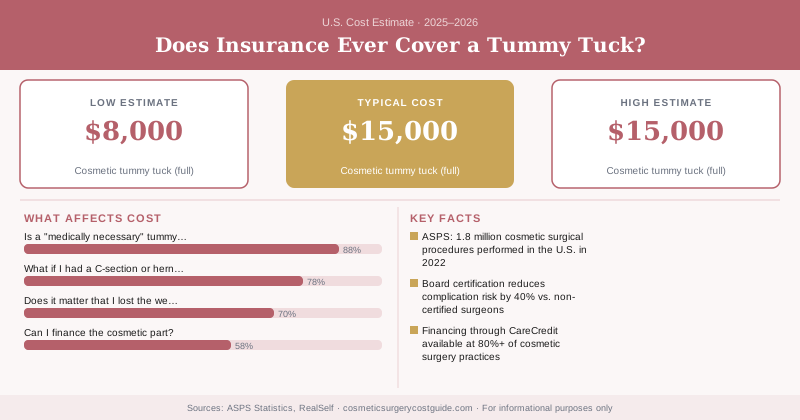
| Cosmetic tummy tuck (full) | $8,000–$15,000 | No — you pay 100% |
| Mini tummy tuck | $4,000–$8,000 | No |
| Panniculectomy (cosmetic) | $8,000–$14,000 | No |
| Panniculectomy (medically necessary) | $0–$3,000 after coverage | Possibly, with pre-auth |
| Muscle repair add-on | +$1,500–$3,500 | No — cosmetic |
ASPS reported around 161,000 tummy tucks in 2023, making it one of the most-requested body procedures in the country — and the overwhelming majority were paid for entirely out of pocket. If you only need skin removed and your budget is tight, a mini tummy tuck may be a lower-cost route, though it addresses far less.
How to Build a Coverage Case
If you genuinely have symptoms, document them like you’re building a legal file — because you basically are.
- See your primary doctor first. You need a paper trail of rashes, intertrigo, or infections under the fold, plus the treatments that failed (topical antifungals, antibiotics, drying agents) over at least three months.
- Take dated photos. Insurers want to see the pannus and any skin breakdown.
- Stabilize your weight. Most carriers want you 6–12 months past major weight loss with a steady weight.
- Get pre-authorization in writing. Never assume — your surgeon’s billing team submits the request and you wait for approval before scheduling.
Don’t let a clinic promise you “insurance will cover it” to close the sale. Coverage depends on your specific policy language and documented symptoms — not the surgeon’s optimism. Get the pre-authorization approval letter in hand before you commit to a date. A denied claim after surgery means you owe the full amount.
Common Questions, Answered
Is a “medically necessary” tummy tuck a real thing? Not really. The medically necessary procedure is a panniculectomy. Surgeons sometimes perform a covered panniculectomy and let you pay out of pocket to add the cosmetic muscle repair in the same operation — see panniculectomy costs for how that split works.
What if I had a C-section or hernia? A diastasis recti repair or hernia repair may have its own coverage path, separate from the cosmetic skin work. Ask your surgeon to code those components individually.
Does it matter that I lost the weight through bariatric surgery? Yes — it strengthens your case. Post-bariatric patients who shed 100+ pounds and have documented skin complications are the most likely to win approval.
Can I finance the cosmetic part? Absolutely. Most patients paying out of pocket use medical credit lines or payment plans; our cosmetic surgery financing guide breaks down the realistic numbers.
Bottom Line
A cosmetic tummy tuck is an elective procedure, and you should plan to pay the full $8,000–$15,000 yourself — insurance won’t help. The one exception is a panniculectomy for a documented, treatment-resistant skin condition caused by hanging skin, which can be covered with proper pre-authorization. Know which procedure you actually need, document everything, and get approval in writing before you schedule.
Frequently Asked Questions
Almost never. A standard cosmetic abdominoplasty is considered elective, so you'll pay the full $8,000–$15,000 yourself. Insurance only enters the picture for a panniculectomy — removal of an overhanging skin apron causing documented rashes, infections, or ulcers — which is a separate, medically coded procedure.
A tummy tuck (abdominoplasty) tightens loose muscle and removes skin for a flatter, more contoured look — that's cosmetic. A panniculectomy only removes the hanging 'pannus' of skin and fat below the navel and does not tighten muscle. Because it treats medical symptoms, a panniculectomy can be covered when criteria are met.
Most insurers want documented chronic rashes or infections under the skin fold that failed 3+ months of treatment, photos, a stable weight (often 6–12 months post weight-loss), and sometimes a minimum BMI. Bariatric patients who lost 100+ pounds have the strongest case. Pre-authorization is mandatory.
ASPS 2024 data puts the average surgeon fee for a tummy tuck at roughly $6,600. Add anesthesia and facility fees and the all-in cost lands at $8,000–$15,000. A panniculectomy done purely cosmetically runs $8,000–$14,000.
Sometimes. If insurance approves the panniculectomy, some surgeons let you pay out of pocket to add muscle repair and contouring in the same operation — saving one facility fee and one recovery. You'll get a split invoice: insurance covers the medical portion, you pay the cosmetic upgrade.
Only the medically necessary portion. A cosmetic abdominoplasty isn't an eligible HSA/FSA expense, but a documented panniculectomy with a physician's letter of medical necessity usually is. Check with your plan administrator before scheduling.