42% of people who’ve had otoplasty say they wish they’d done it sooner. That’s not a sales pitch — it’s a consistent theme in patient communities, and it makes sense. For a procedure that permanently reshapes protruding or asymmetric ears, the cost-to-impact ratio is genuinely high compared to many other cosmetic surgeries.
The ASPS reports that otoplasty (ear surgery) is one of the top five cosmetic surgical procedures performed on patients under 18, with tens of thousands of procedures performed annually in the United States. Adult patients are also a significant portion — ear concerns don’t resolve on their own, and many adults who’ve lived with self-consciousness about their ears finally address it in their 30s and 40s.
Otoplasty Cost at a Glance
| Procedure | Low Estimate | Typical Cost | High Estimate |
|---|---|---|---|
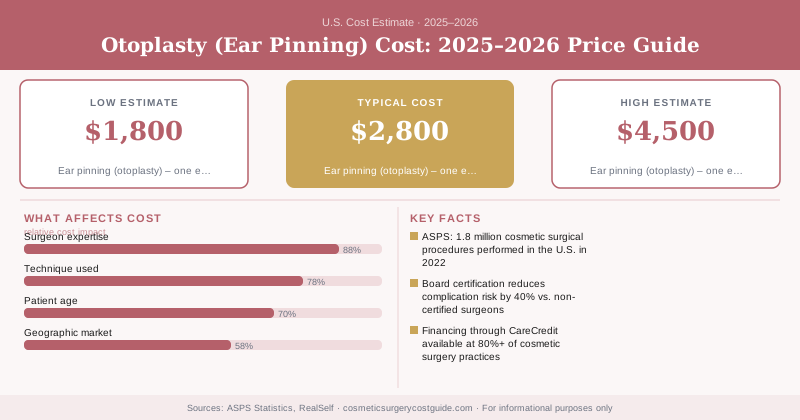
| Ear pinning (otoplasty) – one ear | $1,800 | $2,800 | $4,500 |
| Ear pinning (otoplasty) – both ears | $3,000 | $4,500 | $7,500 |
| Ear reshaping / reconstruction | $3,500 | $5,500 | $9,000 |
| Earlobe repair (torn/stretched) | $800 | $1,500 | $3,000 |
The vast majority of patients are having both ears corrected, so two-ear pricing is the most relevant benchmark.
What’s Actually Included in the Quote?
Otoplasty quotes vary dramatically based on what’s bundled in. A complete, all-in quote includes:
- Surgeon’s fee — typically $2,500–$5,000 for bilateral ear pinning
- Anesthesia — general anesthesia for children, often IV sedation or even local for adults; $600–$1,500
- Surgical facility fee — $800–$2,000 for an accredited outpatient center
- Post-op headband — worn continuously for the first week, then at night for 4–6 weeks; often included
- Follow-up appointments — usually 3–4 visits over the first year; confirm inclusion
Some practices quote surgeon fee only. That $2,200 quote you found online might be $4,500 all-in. Get the breakdown.
What Affects Otoplasty Pricing
Surgeon expertise — A board-certified plastic surgeon (ABPS) or facial plastic surgeon (ABFPRS) who performs otoplasty regularly will typically charge more than a general surgeon dabbling in cosmetic procedures. For ear surgery specifically, precision matters — asymmetric results or overcorrection (“pinned-back” appearance) are the most common complaints when technique is suboptimal.
Technique used — The cartilage-scoring (Mustardé) technique and the suture-only technique carry similar fees, but complex cases involving significant cartilage reshaping (not just pinning) take longer and cost more.
Patient age — Pediatric otoplasty often requires general anesthesia, adding $500–$1,000 to the bill. Adults who can tolerate IV sedation or local anesthesia see lower anesthesia costs.
Geographic market — Practices in New York, LA, and Miami run 25–50% above the national average. A highly-rated plastic surgeon in Nashville or Phoenix may charge $3,500–$5,000 all-in for bilateral otoplasty.
One side vs. both — If only one ear needs correction, some surgeons adjust pricing accordingly. Many, however, assess the other ear even if it’s less severe — subtle asymmetry often becomes more visible after one-sided correction.
Ear cartilage reaches 85–90% of adult size by age 5–6, making this the ideal age range for otoplasty if protruding ears are causing distress. Operating before school age reduces years of potential social difficulty. Many insurance plans cover otoplasty for children when it’s deemed medically necessary (psychological distress documented) — worth checking before assuming you’ll pay out of pocket.
Does Insurance Cover Ear Surgery?
For purely cosmetic ear pinning in adults: no. But there are exceptions:
- Children with documented psychological distress — some insurers cover otoplasty as medically necessary under specific criteria
- Ear deformities present at birth (microtia, lop ear, prominent ear with documented functional issues) — more likely to receive coverage
- Post-traumatic ear reconstruction — if the ear was injured in an accident, reconstructive surgery may be covered
Even if you expect denial, it’s worth submitting a prior authorization request with your child’s pediatric records documenting the emotional impact. Some patients get partial coverage they didn’t expect.
Otoplasty vs. Non-Surgical Ear Correction
For infants under 3 months, ear molding devices (EarWell, etc.) can reshape ears without surgery — often partially or fully covered by insurance. After that developmental window closes, cartilage stiffens and surgical correction becomes necessary.
For adults, there’s no meaningful non-surgical alternative for prominent ears. Injectable fillers placed behind the ear to push it forward slightly exist but are fringe techniques with variable results. Surgery remains the gold standard.
Recovery: What It Costs Beyond the OR
- Headband — usually provided; replacements run $15–$40 if lost
- Pain medication — typically minimal for adults; $30–$80
- Time off — children usually need 1–2 weeks from school; adults often return to desk work in 5–7 days
- Physical activity restriction — contact sports and anything that risks impact to the ear: 6 weeks minimum
- Sleep positioning pillow — some patients buy a specialized contour pillow to avoid rolling onto ears: $25–$60
Overall recovery costs are low compared to major body procedures. The main financial consideration is time off work for yourself (if you’re accompanying a child patient) or for your child.
Overcorrection — ears that look “pinned” too flat against the head — is the most common otoplasty complaint and is very difficult to reverse. Only choose a surgeon with a specific portfolio of ear surgery results. Ask to see at least 10 before/after photos of patients with anatomy similar to yours.
Finding the Right Surgeon
Otoplasty is a technically demanding procedure for its size. Look for:
- Board certification from ABPS or ABFPRS
- Surgeons who list otoplasty as one of their primary procedures (not just an occasional add-on)
- A portfolio of natural-looking results — the goal is ears that look like they were always in the right position, not obviously “done”
- Clear communication about what technique they’ll use and why
Most reputable practices offer $0–$100 consultations. Get at least two opinions, especially for children, where the emotional stakes are high.
Financing Otoplasty
CareCredit and Alphaeon Credit are accepted at most cosmetic surgery practices. For a $4,500–$5,500 procedure, 12–18 month interest-free financing brings payments down to $250–$460/month — manageable for most budgets without stretching beyond the promotional window.
See our broader cosmetic surgery financing guide for how to compare options and avoid deferred-interest pitfalls. If you’re combining otoplasty with another procedure like an earlobe repair, ask whether bundling affects the total quote.
Frequently Asked Questions
Otoplasty typically costs between $3,000 and $7,000 all-in, with the average falling around $4,500-$5,500 depending on surgeon experience, geographic location, and complexity of the reshaping needed. This price usually includes the surgeon's fee, anesthesia, facility costs, and post-operative care.
Most insurance plans classify otoplasty as cosmetic and do not cover it, leaving patients responsible for the full cost out-of-pocket. However, if the procedure is deemed medically necessary (such as correcting a functional breathing issue or trauma-related deformity), some insurers may cover 50-80% of costs—you'll need pre-authorization from your plan.
Most patients can return to light desk work within 3-5 days, though you should avoid strenuous exercise and contact sports for 2-3 weeks to protect the healing ears. Full results become visible after 1-2 months, though some swelling may persist for up to 3 months post-surgery.