In 2010, the only non-surgical skin-tightening option that actually worked was a very expensive, very uncomfortable Thermage session. In 2025, you’ve got Ultherapy, Sofwave, Morpheus8, HIFU, and Exilis Ultra — each with a different mechanism, different price point, and wildly different marketing claims. Exilis Ultra sits at an interesting spot: it’s typically the most affordable of the premium energy devices, and for the right patient and treatment area, that makes it worth serious consideration.
What is Exilis Ultra?
Exilis Ultra (BTL Aesthetics) combines two energy types simultaneously: radiofrequency (RF) and ultrasound. The RF heats the deeper dermis and subcutaneous fat; the ultrasound adds depth and enhances penetration. It also uses a proprietary cooling mechanism to keep the surface of the skin comfortable while the deeper tissues heat up — which is why it’s one of the more tolerable energy devices (most patients describe it as a warm, massage-like sensation).
It’s FDA-cleared for non-invasive skin tightening and body contouring.
Exilis Ultra cost by treatment area
| Treatment Area | Per Session | Typical Series (4 sessions) |
|---|---|---|
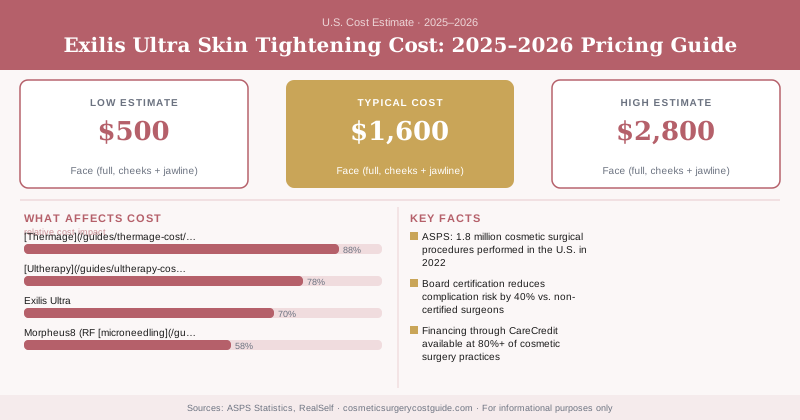
| Face (full, cheeks + jawline) | $500–$800 | $1,600–$2,800 |
| Eyes and periorbital area | $300–$500 | $900–$1,800 |
| Neck and décolletage | $400–$700 | $1,400–$2,500 |
| Abdomen (skin laxity) | $500–$900 | $1,600–$3,200 |
| Arms (loose skin) | $400–$700 | $1,400–$2,500 |
| Inner thighs / knees | $400–$700 | $1,400–$2,500 |
| Full face + neck (combined) | $800–$1,200 | $2,800–$4,500 |
Unlike Ultherapy or Thermage, which are single-session treatments, Exilis Ultra protocols typically recommend 4 sessions spaced 1–2 weeks apart. The series pricing above reflects what most patients actually pay for a complete treatment course.
How it compares to other non-surgical tightening devices
Thermage FLX: $2,000–$4,000 for full face, one session. RF only (no ultrasound). Discomfort levels higher than Exilis. Proven long-term data. Better for superficial skin laxity and texture.
Ultherapy: $2,000–$5,000 for full face + neck, one session. Focused ultrasound only. Reaches the SMAS layer — the same layer surgeons lift in a facelift. Stronger lifting effect; more discomfort.
Exilis Ultra: $400–$1,200 per session, typically 4 sessions = $1,600–$4,500 series. Combined RF + ultrasound. More comfortable. Better for skin tightening and mild body contouring; doesn’t reach SMAS depth.
Morpheus8 (RF microneedling): $800–$2,000 per session, 1–3 sessions. More downtime (redness 3–7 days). Better for skin texture, acne scars, and moderate laxity.
Exilis Ultra is most effective for patients with mild to moderate skin laxity who want noticeable improvement without downtime. It performs particularly well on areas where traditional devices struggle: the eye area (periorbital), small treatment zones, and patients who can’t tolerate the discomfort of Ultherapy or Thermage. It’s also popular for body areas like arms and inner thighs. For significant facial laxity or jowling, deeper devices or surgery produce more dramatic results.
The 4-session protocol: why so many?
Unlike Ultherapy’s single high-intensity treatment, Exilis Ultra works through accumulated thermal effects. Each session heats the tissue incrementally, stimulating collagen remodeling progressively. Results build over the course of the treatment series and continue improving for 3–6 months after the final session as new collagen matures.
Some providers offer 6 sessions for body areas (abdomen, thighs) where fat reduction — in addition to tightening — is the goal. The RF component can also reduce small fat deposits by heating fat cells to a temperature that causes lipolysis.
Timeline and results
- Sessions: 1–2 times per week for 4 weeks (face); 1 per week for 4–6 weeks (body)
- Each session: 30–60 minutes
- Downtime: None — patients return to normal activities immediately
- Results: Visible improvements begin at 2–4 sessions; full results at 3–6 months post-series
- Maintenance: Most providers recommend 1–2 touch-up sessions per year
A 2020 study published in the Journal of Drugs in Dermatology found that RF energy-based devices including Exilis produced measurable improvement in facial skin laxity scores in 70–85% of treated patients at 3-month follow-up.
Exilis Ultra results are significantly more modest than surgical lifting. Patients who come in expecting a facelift-level change will be disappointed. The device is appropriate for the “maintenance” phase of aging — slowing the progression of laxity, providing subtle improvement — not for reversing significant structural facial descent. If you’re being quoted Exilis as a surgical alternative for severe jowling or neck laxity, get a surgical consultation for comparison before committing.
What to look for in a provider
Exilis Ultra is safe and non-invasive, but results depend heavily on operator technique — specifically the temperature achieved during treatment. Providers who keep the handpiece moving too quickly don’t achieve the tissue temperature needed for collagen stimulation. Ask your provider:
- What target tissue temperature do they aim for?
- How long is each pass per treatment zone?
- How many total sessions and sessions per area does their protocol include?
- Can they show before/after photos at 3 months post-series?
Financing
Like all non-surgical cosmetic treatments, Exilis Ultra is not covered by insurance or eligible for HSA/FSA. CareCredit and Alphaeon Credit are accepted at most practices. Buying a 4-session series upfront typically saves 10–15% compared to paying per session.
Frequently Asked Questions
Exilis Ultra costs between $300 and $2,500 per treatment area, depending on the size of the area being treated and your geographic location. Most patients pay $800–$1,500 per session for common areas like the face, neck, or abdomen, with final costs varying by clinic and provider experience.
No, Exilis Ultra is considered a cosmetic procedure and is not covered by health insurance plans. You will pay the full out-of-pocket cost at the time of service, though some clinics offer financing options or payment plans to spread the expense across multiple months.
Most patients require 4–6 treatment sessions spaced 2–3 weeks apart to achieve optimal skin tightening results, with total treatment costs ranging from $3,200–$15,000 depending on your treatment area and provider pricing. Results continue to improve for several months after the final session as collagen remodeling occurs.