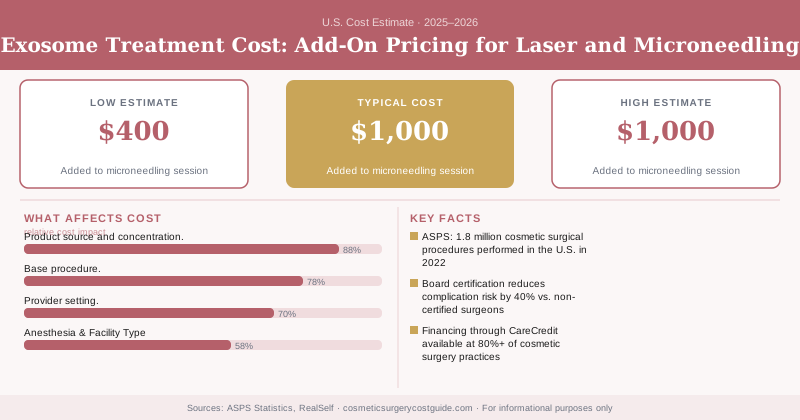
The FDA has not approved a single exosome product specifically for cosmetic skin use — a fact that’s easy to miss amid marketing that makes exosome treatments sound like an established, proven upgrade to standard microneedling or laser. Here’s what the added cost actually gets you, and what it doesn’t.
Exosome treatment costs
| Scenario | Typical Added Cost |
|---|---|
| Added to microneedling session | +$400–$1,000 |
| Added to laser resurfacing session | +$600–$1,500 |
| Standalone exosome scalp treatment (hair) | $600–$1,200 per session |
What exosomes actually are
Exosomes are microscopic extracellular vesicles released naturally by cells, functioning as a kind of biological messaging system carrying proteins, lipids, and genetic material between cells. In cosmetic applications, exosomes are typically derived from plant stem cells or, less commonly, human cell cultures, then applied topically or injected following a skin-resurfacing procedure like microneedling or laser treatment, with the theory being that they enhance and accelerate the skin’s natural repair and regeneration response to the initial procedure.
Why this is almost always an add-on, not a standalone treatment
Exosomes are typically applied topically immediately after microneedling or ablative laser treatment, when the skin’s micro-channels or resurfaced surface allow for significantly better product absorption than intact skin would permit. This is why you’ll rarely see exosome treatment offered as a truly standalone service — it’s specifically designed to be paired with a procedure that creates the necessary skin access first.
The FDA has issued public safety communications about unapproved exosome products, particularly those marketed with unsubstantiated regenerative claims or sourced without clear manufacturing oversight. This doesn’t mean every exosome product on the market is unsafe, but it does mean patients should ask direct, specific questions: what is the exosome source (plant-derived versus other), is it manufactured under appropriate quality standards, and what evidence supports the specific claims being made for it. A provider unwilling or unable to answer these questions specifically is a red flag.
Is the added cost actually justified by evidence?
Independent, large-scale, peer-reviewed research specifically isolating exosomes’ added benefit — beyond what microneedling or laser resurfacing achieves alone — remains limited. Much of the available research is smaller in scale or funded by product manufacturers, which doesn’t necessarily mean the findings are wrong, but does mean the evidence base is considerably less mature than for treatments like Botox or standard hyaluronic acid fillers, which have decades of large-scale independent research behind them.
Some patients and providers report subjectively faster healing and enhanced glow following exosome-added treatments. Whether that translates into an objectively better long-term result, proportional to the added $500–$1,500 cost, is a genuinely open question that reasonable, informed patients can answer differently based on their own risk tolerance and budget.
What changes your specific price
Product source and concentration. Plant-derived exosome products vary considerably in concentration and purported potency, which affects pricing; ask specifically what you’re being charged for.
Base procedure. Adding exosomes to a more expensive base procedure like ablative laser generally costs more than adding to a lower-cost microneedling session.
Provider setting. As with most emerging treatments, board-certified dermatology practices and reputable medspas vary meaningfully in how transparently they discuss the current evidence base — a provider who’s upfront about the limitations of current research is generally more trustworthy than one making bold, unqualified claims.
Ask your provider directly whether the exosome product they use is plant-derived or from another source, whether it’s manufactured under appropriate quality and safety oversight, and what specific evidence supports the added benefit over the base procedure alone. Given the FDA’s public warnings about unapproved exosome products in this space, informed skepticism is warranted before paying a premium for this specific add-on.
Bottom line
Exosome treatment adds $400–$1,500 to the cost of a microneedling or laser session, with the evidence for meaningful added benefit still developing rather than firmly established. It’s not inherently unsafe when sourced from a reputable provider using a well-documented product, but the added cost is a genuine judgment call given the current state of independent research — ask specific questions about sourcing and regulatory status before agreeing to the upcharge.
Frequently Asked Questions
Exosome treatment, almost always applied as an add-on to microneedling or laser resurfacing rather than as a standalone service, typically costs an additional $500–$1,500 on top of the base procedure cost. Pricing varies significantly based on the specific exosome product used and its concentration.
Exosomes are tiny extracellular vesicles that cells naturally release to communicate with each other, carrying proteins, lipids, and genetic material believed to support tissue repair and regeneration. As of the most recent guidance, the FDA has not approved any exosome product specifically for cosmetic skin use, and has issued public warnings about unapproved exosome products marketed with unsubstantiated claims — this is an area where patients should ask direct questions about product sourcing and regulatory status.
Evidence specifically supporting added benefit from exosome application versus microneedling or laser alone is still limited and largely based on smaller studies and manufacturer-sponsored research rather than large, independent, peer-reviewed trials. Some patients and providers report meaningfully faster healing and enhanced results, but the added cost should be weighed against this still-developing evidence base rather than assumed to be proven.