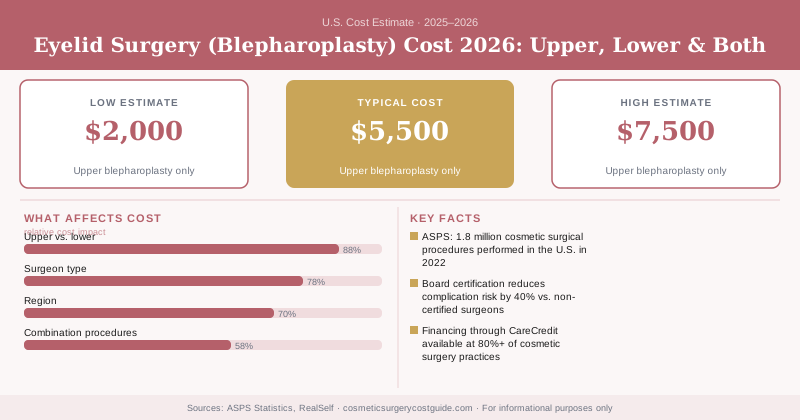
Upper eyelid surgery is one of the few cosmetic procedures that insurance sometimes covers — and that detail alone changes the financial math entirely. If drooping upper lids are obscuring your field of vision, you may be looking at a covered surgery rather than an out-of-pocket cosmetic expense. The ASPS reported blepharoplasty as the third most performed cosmetic surgical procedure in 2023, with over 175,000 procedures performed in the US that year.
For purely cosmetic cases — removing excess skin, reducing puffiness, refreshing a tired appearance — you’re paying out of pocket. Here’s exactly what that looks like.
Blepharoplasty Cost by Type
| Procedure | Surgeon Fee | All-In Cost |
|---|---|---|
| Upper blepharoplasty only | $2,000–$5,500 | $3,500–$7,500 |
| Lower blepharoplasty only | $2,500–$6,000 | $4,000–$9,000 |
| Upper + lower (quad blepharoplasty) | $4,000–$10,000 | $6,500–$14,000 |
| Blepharoplasty + brow lift | $5,500–$12,000 | $8,500–$17,000 |
| Asian eyelid surgery (double eyelid) | $3,000–$7,500 | $5,000–$11,000 |
Lower blepharoplasty tends to cost more than upper. It’s a more technically demanding procedure — the surgeon addresses fat compartments, muscle laxity, and skin simultaneously, often using a transconjunctival approach (incision inside the lower lid) that requires considerable precision. Upper blepharoplasty, by contrast, is a more straightforward excision of excess skin along the natural crease.
What’s Included in the All-In Cost
Don’t get caught comparing surgeon fees alone. The full cost includes:
- Anesthesia: $800–$2,000 (IV sedation is typical; general anesthesia is rarely needed)
- Surgical facility fee: $600–$2,000
- Pre-op medical clearance: $150–$400
- Prescription eye drops and ointments: $50–$150
- Follow-up visits: Usually included, but confirm
- Cold compresses and supplies: $30–$80
A surgeon quoting $2,800 for upper blepharoplasty may still cost $5,500 all-in. Get an itemized estimate before committing.
When Insurance Covers Blepharoplasty
This is where blepharoplasty is different from most cosmetic procedures. Upper eyelid surgery can be covered by insurance — specifically Medicare and many private insurers — when excess upper lid skin (dermatochalasis) causes functional visual obstruction.
To qualify, you typically need:
- A visual field test documenting at least 12–30 degrees of superior visual field obstruction (threshold varies by insurer)
- Photos of the eyelids in the natural resting position (not actively raised)
- Documentation from an ophthalmologist or oculoplastic surgeon
- Pre-authorization from your insurer before surgery
If you wear glasses, check with your ophthalmologist before assuming your drooping lids are purely cosmetic. Many patients don’t realize their coverage options exist until they ask.
Insurers use visual field testing to determine whether upper eyelid surgery qualifies as medically necessary. A standard Humphrey visual field test shows how much of your upper visual field is blocked when your eyes are in a natural, relaxed position. If the obstruction exceeds your insurer’s threshold (often 30% of the superior field), the functional upper lid surgery may be covered — though the lower lids almost never qualify, since lower lid issues don’t typically impair vision. An oculoplastic surgeon or ophthalmologist can order this test and help document your case.
What Drives Price Variation
Upper vs. lower: Lower blepharoplasty is consistently priced higher due to technical complexity. Addressing lower lid fat prolapse, skin laxity, and muscle tone simultaneously — while avoiding changes to the lower lid margin that could cause ectropion (outward rolling) — requires a skilled surgeon.
Surgeon type: Oculoplastic surgeons (ophthalmologists with additional reconstructive training) and facial plastic surgeons often charge similar rates for blepharoplasty. Both can deliver excellent results. What matters most is board certification and a strong portfolio specifically in eyelid surgery.
Region: Fees in New York, Los Angeles, and Miami run 40–60% higher than mid-size cities. A procedure priced at $3,500 in Minneapolis may cost $5,500 in Manhattan.
Combination procedures: Adding a brow lift to upper blepharoplasty is common because brow ptosis (drooping brows) contributes to the appearance of heavy upper lids. Addressing both together costs more but often produces a better result than either alone.
Recovery: What to Expect
Blepharoplasty recovery is more manageable than most facial surgeries. Expect:
- Days 1–3: Swelling, bruising, and light sensitivity are at their peak. Cold compresses help significantly.
- Days 5–7: Sutures are typically removed. Most patients can return to desk work.
- Weeks 2–3: Bruising fades. You’ll be socially presentable for most settings.
- Months 1–3: Final results are fully visible as residual swelling resolves.
Avoid strenuous exercise, contact lenses, and eye makeup for 2 weeks. Sunglasses outdoors are essential during healing.
Lower lid blepharoplasty carries a small but real risk of lower lid malposition — specifically ectropion (the lower lid pulling away from the eye). This risk is higher in patients with pre-existing lid laxity and with less experienced surgeons. Before any lower lid procedure, have your surgeon assess your lid tone and discuss their approach to preventing this complication. Ask specifically whether they would add a canthopexy (lid tightening suture) prophylactically.
Is Blepharoplasty Worth It?
Among patients who’ve had it done, blepharoplasty consistently ranks as one of the highest-satisfaction cosmetic procedures — ASAPS data shows over 92% of patients rating their results positively. The recovery is relatively short, the results are immediate and natural-looking, and for functional cases, insurance may carry most of the cost. If heavy lids are making you look tired regardless of how you feel, it’s worth a consultation to understand all your options.
Frequently Asked Questions
Blepharoplasty typically costs between $3,000 and $10,000 depending on whether you're having upper eyelids, lower eyelids, or both done. Upper eyelid surgery alone usually runs $3,000–$5,000, while lower eyelid surgery or a combined procedure can reach $6,000–$10,000. Surgeon experience, geographic location, and facility fees significantly impact the final price.
Insurance may cover upper eyelid surgery if drooping lids obstruct your vision, making it medically necessary rather than purely cosmetic. You'll typically pay your standard deductible and copay for covered procedures, often $500–$2,000 out-of-pocket, while lower eyelid surgery or purely cosmetic procedures remain uninsured. Documentation of vision impairment from your eye doctor is required to qualify for coverage.
Most patients can return to light activities within 7–10 days and resume normal exercise within 2–3 weeks, though full healing takes 2–3 months. Initial swelling and bruising peak around day 3–5 and gradually fade over 4–6 weeks. Your surgeon will provide specific activity restrictions during your post-op appointments.