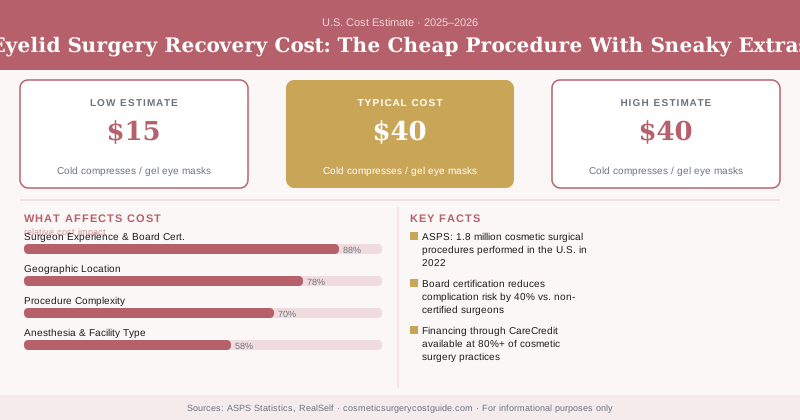
Forty-two percent of patients who get eyelid surgery say the recovery was easier than they feared, and that’s exactly why they don’t budget for it. Blepharoplasty has one of the gentlest recoveries in cosmetic surgery, so the small costs sneak past unnoticed, the drops, the cold packs, the week you’d rather not be seen in public. They’re minor, but they’re real, and they add up.
A blepharoplasty removes excess skin and fat from the upper or lower lids. The healing is quick by surgical standards, but “quick” still comes with a shopping list and some time off. Here’s what it runs.
The Recovery Cost Breakdown
Eyelid recovery is the low end of cosmetic surgery spending, but it’s not zero. Here’s the realistic spread.
| Item | Cost |
|---|---|
| Cold compresses / gel eye masks | $15–$40 |
| Prescription & lubricating eye drops | $20–$80 |
| Prescription pain meds (mild) | $15–$60 |
| Wedge pillow for elevated sleeping | $30–$70 |
| Sunglasses (light sensitivity + cover) | $20–$150 |
| Time off work (7–10 days) | $200–$1,400 |
| Total non-surgical recovery | $300–$1,800 |
The American Society of Plastic Surgeons reported more than 320,000 eyelid surgeries in 2023, making it one of the top five cosmetic procedures in the country. Its popularity comes partly from that manageable recovery, which is also why patients underprepare for the small costs.
Cold Packs and Drops Are the Workhorses
The first few days are all about controlling swelling and bruising around the eyes. You’ll use cold compresses constantly and lubricating drops to keep dry, healing eyes comfortable. Neither is expensive, but you’ll go through them, so stock up before surgery rather than squinting your way to a pharmacy.
The “Don’t Want to Be Seen” Week
Here’s the cost that isn’t on any list: you’ll have visible bruising and swelling around your eyes for roughly a week to ten days. Most patients take that time off work or social plans. For the camera-facing or client-facing, that downtime is the real expense, even if the supplies are cheap.
Budget $200–$800 in supplies and a week or so off work for an eyelid surgery recovery. The procedure is gentle and the supplies are cheap, but the visible bruising means most patients take 7–10 days of downtime, which is the cost that actually adds up.
Sleep Elevated, Protect From Sun
For the first week or two, sleep on your back with your head elevated to keep swelling down, so a wedge pillow helps. And your healing eyes will be light-sensitive, so good sunglasses do double duty, comfort plus covering the bruising when you do go out.
Don’t rush back to screens, contact lenses, or eye makeup to feel normal sooner. Straining dry, healing eyes or introducing makeup too early can irritate the incisions and slow healing. Wait for your surgeon’s clearance; pushing it can turn a smooth recovery into an irritated, drawn-out one.
When It’s Combined
Plenty of patients pair eyelid surgery with a facelift or a rhinoplasty. If you’re combining, your recovery costs and downtime follow the more demanding procedure, not the eyelids, so budget for the bigger one. The eyelid portion adds little to the recovery on its own.
Keeping It Cheap
Buy cold packs, drops, and your wedge pillow at retail, not through the office. Confirm which follow-ups are included. And plan your downtime honestly, around a week, so you’re not surprised by the mirror. Eyelid surgery is the friendliest cosmetic recovery on the menu, but the time off is the cost that quietly matters.
If the surgery price is the hurdle, financing it keeps cash free for the small stuff. And our recovery guide covers how eyelid healing fits the broader timeline. Cheap recovery, yes, but not free, so plan the week off like part of the procedure.
Frequently Asked Questions
Recovery supplies for blepharoplasty typically run $200–$500 and include prescription eye drops ($50–$150), cold gel packs ($30–$80), antibiotic ointments ($20–$40), and pain medications ($30–$100). Many patients also budget $100–$200 for extra days off work if they have limited paid time off, making total recovery costs range from $200–$1,500 depending on your specific needs.
Insurance rarely covers recovery supplies or time-off costs since blepharoplasty is typically elective and cosmetic; however, if your eyelid surgery is medically necessary (excess skin blocking vision), Medicare or some insurers may cover the procedure itself but still exclude recovery supplies. Out-of-pocket recovery expenses are almost always the patient's responsibility and are not tax-deductible.
Most patients can return to light activities within 7–10 days, though full recovery takes 4–6 weeks; many people choose to take 1–2 weeks off work to avoid being seen during the bruising and swelling phase. You'll need to avoid strenuous exercise, heavy lifting, and swimming for at least 2–3 weeks while your eyes heal.