In 2010, a facelift was something you whispered about. Today the Aesthetic Society counts well over 100,000 a year, and patients ask about cost openly. But there’s one number almost nobody asks about up front: what recovery costs after the facelift itself.
The surgery fee gets all the attention. The two to three weeks afterward, when you’re swollen, bruised, and house-bound, come with their own line items that quietly add up.
What You’ll Spend Recovering
| Item | Cost |
|---|---|
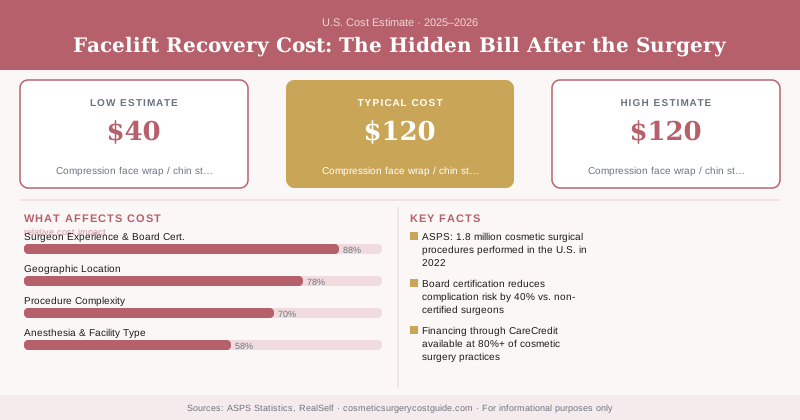
| Compression face wrap / chin strap | $40–$120 |
| Arnica, scar gel & wound care supplies | $50–$150 |
| Prescription meds & antibiotics | $30–$120 |
| Extra follow-up visits (if not included) | $0–$400 |
| Touch-up makeup / camouflage products | $30–$90 |
| Time off work (2–3 weeks) | $1,000–$4,500 |
| Total non-surgical recovery | $1,150–$5,380 |
The Aesthetic Society’s most recent statistics show facelifts climbing again as patients seek natural, lasting results over fillers. What those stats don’t show is the social downtime, which translates directly into lost income for a lot of people.
You’ll Be Out of Sight for Two to Three Weeks
Bruising and swelling peak around days 3 to 5 and take 2 to 3 weeks to mostly settle. You won’t look camera-ready for a month or more. If your job is public-facing, that downtime is a cost, plain and simple. Plan time off accordingly.
Beyond the surgery fee, budget $700–$2,500 for facelift recovery supplies and follow-ups, plus lost income for 2–3 weeks of downtime. The biggest hidden cost is time, not products.
Follow-Ups: Free or Extra?
A facelift usually includes several post-op visits for suture removal and drain checks. But complications or extra visits, like a hematoma that needs attention, can mean unplanned appointments. Confirm exactly how many follow-ups your fee covers, and what an extra visit costs, before you book.
Garments and Wound Care
You’ll wear a chin strap or facial compression wrap to control swelling, usually around the clock at first, then at night for a few weeks. These cost $40–$120, and a second one for laundry is smart. Add scar gel, arnica for bruising, and basic wound-care supplies at $50–$150 total.
Don’t book a facelift right before a major event. Patients who rush back into the spotlight risk poor scar care and self-consciousness. A hematoma, the most common early facelift complication, may need urgent drainage that adds cost and downtime. Give yourself a real buffer.
Scar Care Runs for Months
Facelift incisions hide around the ears and hairline, but they still need care. Silicone gel and sun protection over the scars for 3 to 6 months cost $50–$150. Some patients add laser treatments later, though most don’t need to.
Trimming the Cost
Buy your scar products and arnica retail rather than through the practice. Ask whether all standard follow-ups are included so there are no surprise visit fees. And consider financing the surgery so your savings cover the recovery period and any lost wages.
A clean recovery starts with the right surgeon. Choosing a board-certified plastic surgeon lowers your complication risk, and our recovery guide lays out the full timeline. With a facelift, the smartest spend is buffer time, not more products.
Frequently Asked Questions
Facelift recovery costs typically range from $700 to $2,500 after surgery, covering expenses like compression garments ($150–$400), follow-up appointments ($200–$600), scar treatment products ($100–$300), and prescription medications ($50–$200). These hidden costs are in addition to the primary surgical fee and often catch patients by surprise.
No—facelift surgery and all related recovery costs are considered elective cosmetic procedures and are not covered by health insurance plans. You will pay 100% out-of-pocket for compression garments, follow-up visits, scar care products, and any complications that arise during the 2–3 week recovery period.
Most patients can return to light activities within 2–3 weeks, though full recovery and final results typically take 3–6 months as swelling and bruising gradually fade. During the first two weeks, you should expect to be mostly house-bound and will incur the majority of recovery-related costs for medications, garments, and follow-up care.