In 2010 a full-face Fraxel Repair treatment cost around $4,000 and required a week of hiding at home while your skin regenerated. Today it still costs around $4,000 — but competing fractional lasers have multiplied, recovery protocols have improved, and patients have far more choices than they did. The question isn’t whether Fraxel works. It does. The question is whether it’s the right laser for your skin concerns, and what you’ll actually pay.
Fraxel is a brand name (made by Solta Medical) for fractional resurfacing lasers. “Fractional” means the laser treats thousands of tiny columns of skin while leaving surrounding tissue intact — accelerating healing dramatically compared to fully ablative lasers. There are two main Fraxel devices in clinical use today.
Fraxel Device Types and Cost
| Treatment | Wavelength | Downtime | Cost Per Session |
|---|---|---|---|
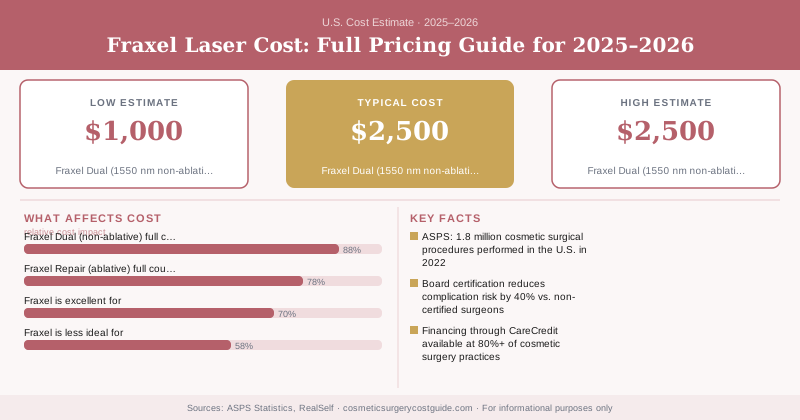
| Fraxel Dual (1550 nm non-ablative) | Non-ablative | 3–5 days | $1,000–$2,500 |
| Fraxel Dual (1927 nm superficial) | Non-ablative | 3–5 days | $800–$1,500 |
| Fraxel Repair (10,600 nm CO2) | Ablative | 7–14 days | $2,500–$5,000 |
| Full-face Fraxel Dual (combined wavelengths) | Non-ablative | 4–7 days | $1,500–$3,500 |
| Neck or chest add-on | — | +2–4 days | $500–$1,200 extra |
Most non-ablative Fraxel Dual protocols require 3–5 sessions for full results. Ablative Fraxel Repair typically delivers significant results in 1–2 sessions. This fundamentally changes the total cost equation.
Total Treatment Cost: What You’re Really Spending
Fraxel Dual (non-ablative) full course: $1,000–$2,500 × 3–5 sessions = $3,000–$12,500 total
Fraxel Repair (ablative) full course: $2,500–$5,000 × 1–2 sessions = $2,500–$10,000 total
For mild-to-moderate skin concerns (sun spots, mild texture, early wrinkles), a 3-session Fraxel Dual protocol at $1,200/session runs $3,600 — competitive with a single Fraxel Repair and gentler recovery. For deeper wrinkles, acne scars, or significant sun damage, Fraxel Repair’s single aggressive session often produces more dramatic results faster.
What Fraxel Treats (and Doesn’t)
Fraxel is excellent for:
- Fine lines and wrinkles (especially periorbital area)
- Acne scars (non-ablative works for mild, ablative for moderate-severe)
- Sun spots and melasma (1927 nm wavelength is especially effective)
- Skin texture and tone
- Surgical and traumatic scars
Fraxel is less ideal for:
- Deep nasolabial folds (filler addresses volume loss better)
- Significant skin laxity (RF-based or ultrasound devices or surgical lift)
- Active acne or rosacea (treatment can flare both)
- Very dark skin tones (Fitzpatrick V–VI) — significant post-inflammatory hyperpigmentation risk
A 2024 analysis published in Dermatologic Surgery confirmed fractional CO2 laser (including Fraxel Repair) as the gold standard for moderate-to-severe acne scarring, with 50–75% improvement in scar depth in most patients after 1–2 sessions. The American Society for Dermatologic Surgery (ASDS) 2023 survey reported over 1.2 million laser skin resurfacing procedures performed in the U.S. that year, with fractional devices representing the fastest-growing subcategory — up 18% from 2021.
Why Prices Vary
Provider Type
Dermatologists and plastic surgeons charge more than medical spas — typically 30–50% more for the same Fraxel device. This reflects training depth and the ability to manage complications. For Fraxel Repair (ablative, significant downtime), a board-certified dermatologist or plastic surgeon is strongly recommended over a medical spa.
Treatment Area
Full face is most commonly quoted. Neck, chest (“décolletage”), and hands are common add-ons. Each additional zone adds $400–$1,200 to the session cost.
Settings and Density
Fraxel isn’t one-size-fits-all. Aggressive settings (higher density, deeper penetration) produce better results but longer recovery. Conservative settings mean less downtime but require more sessions. More aggressive settings = higher per-session cost. Ask your provider for their recommended protocol specifically for your concerns.
City and Market
Manhattan and Beverly Hills providers charge $3,000–$5,000 for a single Fraxel Repair session. The same treatment in Dallas or Denver runs $1,800–$3,000. Same device, meaningfully different pricing.
Fraxel vs. Competing Fractional Lasers
Fraxel isn’t the only fractional laser. It’s the brand name most consumers recognize, but several competing devices deliver comparable results:
- Halo (Sciton): Hybrid ablative/non-ablative, $1,200–$2,500/session, often compared favorably to Fraxel Dual
- MOXI (Sciton): Lighter non-ablative, $500–$1,000/session, minimal downtime
- Clear + Brilliant: Entry-level fractional, $300–$600/session, very mild results
- CO2RE: Fractional CO2, similar to Fraxel Repair, $2,000–$4,000/session
Don’t fixate on the Fraxel brand specifically. Ask your provider which device they have, what results they achieve with it, and whether it’s appropriate for your skin type and concerns.
Recovery Costs to Budget For
- Prescription ointment (Aquaphor or similar): $10–$30
- Antiviral medication (recommended before ablative treatment to prevent HSV outbreak): $20–$80
- SPF 50+ sunscreen (essential post-treatment): $20–$50
- Time off work: 3–14 days depending on treatment intensity
Sun avoidance is non-negotiable for 4–6 weeks after any Fraxel treatment. The treated skin is highly vulnerable to post-inflammatory hyperpigmentation (PIH) — dark spots that can be worse than what you started with. If you’re treating melasma specifically, tell your provider. Melasma can paradoxically worsen with laser treatment without proper protocols; many providers pre-treat with hydroquinone for 4–6 weeks before laser to reduce this risk.
Insurance and Financing
Fraxel is cosmetic and not covered by insurance. One exception: if treating scars from an accident, burn, or surgery, some flexible spending accounts may cover part of the cost — check with your FSA administrator.
CareCredit is accepted at most dermatology practices and plastic surgery offices. A single Fraxel Repair at $3,500 on 18-month 0% APR promotional financing runs about $195/month.
The Bottom Line
For most patients, budget $1,500–$3,500 per session and expect to need 2–4 sessions for Fraxel Dual, or 1–2 sessions for Fraxel Repair. The right choice depends entirely on your skin concerns, skin type, and tolerance for downtime. Ablative gets you there faster but demands real recovery time. Non-ablative is gentler but cumulative.
Don’t book Fraxel based on a Groupon deal. The difference between well-calibrated treatment settings and careless ones is the difference between a great result and a complication. Consult with a board-certified dermatologist or plastic surgeon who regularly performs the treatment — not just a medical spa that happens to own the device.
Frequently Asked Questions
A full-face Fraxel Dual treatment typically costs between $1,500 and $3,000 per session, depending on your provider's location and experience level. Most patients require 3–5 sessions spaced 2–4 weeks apart for optimal results, bringing the total investment to $4,500–$15,000 for a complete treatment course.
Fraxel laser is considered a cosmetic procedure and is not covered by health insurance when used for anti-aging or skin rejuvenation. However, some insurance plans may cover Fraxel Repair if it's medically necessary for treating scars, burns, or other reconstructive purposes—you'll need to contact your insurer and provide documentation from your dermatologist to confirm coverage eligibility.
Fraxel Dual has minimal downtime with 2–3 days of mild redness and flaking, while Fraxel Repair requires 7–10 days of more significant peeling and requires staying home during the healing phase. If you cannot take extended time off work, Fraxel Dual is the more practical choice, though it may require more treatment sessions to achieve the same results as Repair.