Here’s what nobody tells you before major weight loss surgery: the physical transformation is extraordinary, and the excess skin left behind can be just as psychologically difficult as the weight itself was. The ASPS reports that body contouring after massive weight loss accounts for roughly 45,000 procedures annually in the US, a number that’s grown substantially as bariatric surgery and GLP-1 medications have expanded. That loose, hanging skin isn’t a vanity issue — it causes rashes, hygiene problems, physical pain during exercise, and significant emotional distress. A full body lift addresses it comprehensively, but it’s also one of the most complex and expensive cosmetic surgery journeys there is.
Full Body Lift: Cost by Procedure Scope
| Procedure / Scope | All-In Cost Range |
|---|---|
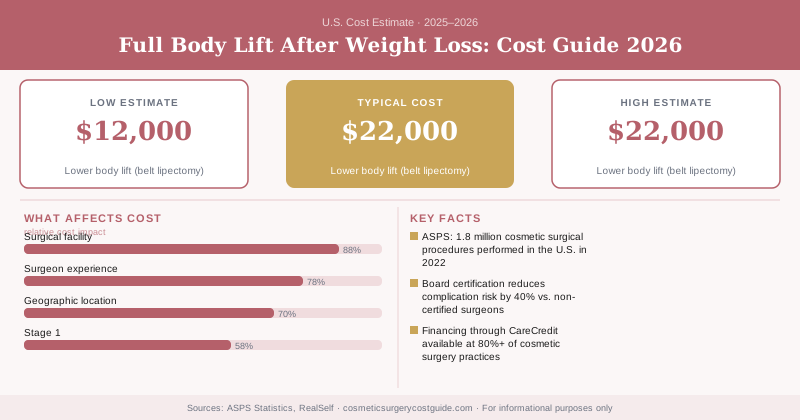
| Lower body lift (belt lipectomy) | $12,000–$22,000 |
| Upper body lift (back, bra rolls, arms) | $10,000–$18,000 |
| Breast lift (mastopexy) | $6,000–$13,000 |
| Thigh lift | $7,000–$15,000 |
| Arm lift (brachioplasty) | $6,500–$12,000 |
| Tummy tuck (abdominoplasty) | $8,000–$18,000 |
| Full circumferential body lift (all stages) | $30,000–$60,000+ |
A true “full body lift” is almost always staged — performed in 2–4 separate surgical sessions over 12–18 months. No reputable surgeon performs all of these procedures in one marathon operation; the risks (blood loss, complications, extended anesthesia time) are too significant. Staging also allows full recovery between sessions and better surgical planning.
Staging Strategy: What Surgeons Typically Recommend
Stage 1 (most impactful): Lower body lift / belt lipectomy. This addresses the abdomen, hips, buttocks, and outer thighs in one circumferential procedure. Most patients and surgeons prioritize this first because it produces the most dramatic improvement in the areas most affected by weight loss.
Stage 2: Breast lift (and augmentation if desired) and upper back lift to address bra-line rolls and posterior skin laxity.
Stage 3: Arm lift and/or thigh lift, depending on individual anatomy and priorities.
This isn’t a rigid formula — your surgeon will develop a staging plan based on where your excess skin is most problematic, your health, and your priorities.
Before any body contouring surgery, surgeons require that your weight has been stable for 12–18 months. This isn’t arbitrary — skin continues to contract and body composition continues to shift for over a year after major weight loss. Operating too soon risks doing surgery on a body that will continue to change, potentially requiring revision. Your surgeon will also require your BMI to be in a certain range — typically under 32–35 for most body lift procedures. If you’re still losing weight, hold off on scheduling consultations until you’ve been stable for at least 6 months.
Does Insurance Cover Any of This?
Sometimes — and it’s worth pursuing carefully. Insurance coverage for post-bariatric body contouring is possible in specific circumstances:
Panniculectomy (removal of a pannus — the overhanging lower abdominal skin) may be covered when the pannus causes documented skin infections, rashes, or interferes with daily activities. This is a functional, not cosmetic, procedure. You’ll need photos, physician documentation, and often a denial-and-appeal process.
Breast reduction post-weight-loss may be partially covered if significant ptosis causes neck or back pain and is documented by your physician.
Purely cosmetic body lifting — everything beyond the functional indications above — is typically not covered. But the panniculectomy coverage alone can offset $8,000–$15,000 of the overall cost.
What Drives the All-In Cost
Surgical facility: Multi-stage body lift procedures are hospital or accredited outpatient surgery center procedures. Some stages require overnight stay, which adds $1,500–$3,500 per night in facility fees.
Surgeon experience: Post-bariatric body contouring is technically demanding. The skin removed can be substantial; the anatomy is complex. Surgeons who specialize in massive weight loss patients and have extensive before/after documentation are worth the premium. Revision of a poor initial body lift is significantly more expensive and complicated.
Geographic location: As with all surgical procedures, major metro areas command a premium. Medical travel to a reputable center in a lower-cost region is a strategy some patients use deliberately.
Be extremely cautious of any surgeon who offers to complete all body contouring areas in a single very long surgical session to save money. Operating times exceeding 6–8 hours dramatically increase risks of complications including deep vein thrombosis, pulmonary embolism, anesthesia complications, and poor wound healing. The ASPS guidelines strongly advise against combining too many body lift procedures in a single session. Patient safety requires staging.
Financing and Planning
Given the total cost of a full post-weight-loss body contouring journey ($30,000–$60,000+), most patients stage both the procedures and the financing. Options include:
- CareCredit and Alphaeon Credit — 12–24 month 0% promotional periods per procedure
- Personal health savings accounts (if the panniculectomy is covered as functional)
- Payment plans directly through the surgical practice
- Medical travel to lower-cost US markets
Recovery Costs Per Stage
Each stage requires:
- Prescription medications: $150–$350
- Compression garments: $150–$400 (required for weeks)
- Lymphatic drainage massage: $75–$150/session, typically 6–10 sessions
- Time off work: 3–6 weeks per stage
- Help at home for the first week: variable
Bottom Line
A full post-weight-loss body contouring journey realistically costs $30,000–$55,000+ staged over 18–24 months. Start with a comprehensive consultation with a board-certified plastic surgeon who specializes in post-bariatric patients, get a full staging plan, pursue insurance coverage for any functional components, and don’t let anyone rush you through procedures without adequate healing time between stages. The result — a body that finally matches the hard work you’ve done — is worth doing right.
Frequently Asked Questions
A full body lift typically costs $15,000–$50,000+ in the US, depending on the extent of skin removal, number of areas treated, surgeon experience, and geographic location. Most procedures fall in the $25,000–$40,000 range when combining abdomen, thighs, arms, and back contouring in a single surgery or staged approach.
Most insurance plans classify full body lifts as cosmetic and do not cover them, leaving patients responsible for the entire cost out-of-pocket. However, some insurers may cover panniculectomy (abdominal skin removal only) if excess skin causes documented medical problems like skin breakdown or infection, typically requiring pre-authorization and medical necessity documentation.
Many surgeons recommend staging procedures over 6–12 months to reduce operative time (typically 4–8 hours for a full lift), anesthesia risks, and recovery burden, though this increases total costs due to multiple facility and anesthesia fees. A single comprehensive lift reduces overall costs and downtime but requires 4–6 weeks initial recovery and carries higher infection and complication risks for patients with significant skin removal across multiple body areas.