$250 for a bag of saline, vitamins, and electrolytes. Is that a bargain or a rip-off? Depends entirely on what you’re expecting, what’s actually in the bag, and who’s administering it. The IV wellness industry has grown fast — from celebrity recovery suites to strip-mall med spas offering “hangover cures” and “immune boosts.” The American Med Spa Association estimated more than 7,000 IV therapy clinics operating across the US as of 2024, with the market growing roughly 23% annually.
Here’s what you’re actually paying for, and what separates a legitimate wellness drip from overpriced salt water.
IV Drip Therapy Cost by Type
| Drip Type | Typical Price | Session Length |
|---|---|---|
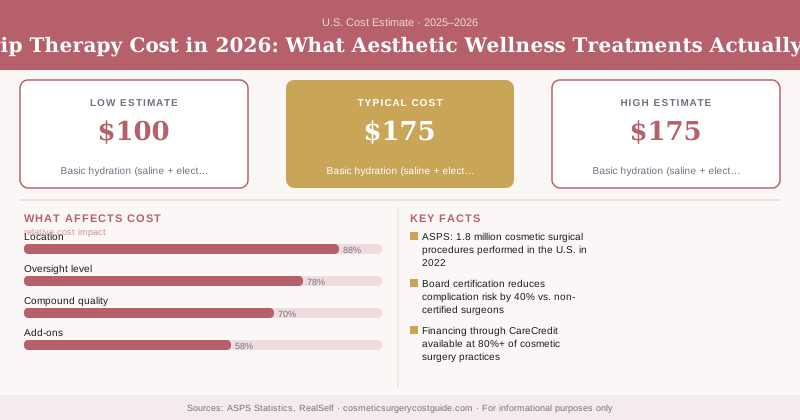
| Basic hydration (saline + electrolytes) | $100–$175 | 30–45 min |
| Myers’ Cocktail (B vitamins, magnesium, vitamin C) | $175–$275 | 45–60 min |
| NAD+ infusion (anti-aging, energy) | $300–$1,000 | 2–4 hours |
| Glutathione push (skin brightening) | $75–$200 (add-on) | 10–15 min |
| High-dose vitamin C | $175–$350 | 60–90 min |
| Recovery/hangover drip | $150–$250 | 45–60 min |
| Beauty/collagen drip | $200–$350 | 60 min |
| Custom compounded drip | $250–$500+ | 60–90 min |
At-home concierge IV services — a nurse comes to your house or hotel — typically cost $50–$100 more than clinic rates due to travel fees.
The Myers’ Cocktail: The Industry Standard
The Myers’ Cocktail is the most widely administered IV drip in the US, named after physician John Myers who developed it in the 1970s. It typically contains magnesium, calcium, B vitamins (B5, B6, B12), and vitamin C in a saline base. Clinics charge $150–$275 per session, with a course of 4–6 sessions often discounted to $600–$1,200.
Anecdotally, patients report improved energy, reduced fatigue, and better sleep. The actual evidence is limited — there are small studies supporting benefits in fibromyalgia and chronic fatigue, but large-scale randomized trials are scarce. Whether it helps you is genuinely hard to predict.
NAD+ Drips: Why They Cost So Much More
NAD+ (nicotinamide adenine dinucleotide) infusions have become the premium offering at wellness clinics, priced $300–$1,000 per session. They take 2–4 hours because infusing NAD+ too fast causes significant discomfort — chest tightness, nausea, and a “crawling skin” sensation. Slow drip protocols require a nurse or practitioner present the entire time.
NAD+ is a coenzyme critical to cellular energy production and DNA repair. Some research shows it declines with age. Whether IV supplementation meaningfully raises cellular NAD+ levels in humans long-term is still under investigation. The high price reflects real cost drivers: the compound itself is expensive, and extended nurse time adds up.
- Who formulates and compounds the drips — an in-house pharmacist or a licensed compounding pharmacy?
- What is the license level of the staff administering IVs? (Should be RN minimum; MD or NP oversight is ideal)
- Is the facility accredited or licensed by your state’s medical board?
- What happens if you have a reaction? Is a physician on-site or on call?
- Are ingredients listed with exact doses, or just branded “proprietary blend” names?
What Drives the Price Variation
Location: A Beverly Hills wellness lounge charges $350 for the same drip a clinic in Phoenix charges $175 for. You’re partly paying for marble countertops and mood lighting — not medicine.
Oversight level: A physician-directed infusion clinic with on-site MDs, IV pharmacists, and proper emergency protocols costs more than a nurse-run spa with a remote medical director. That cost difference reflects real safety differences.
Compound quality: Reputable clinics use FDA-registered compounding pharmacies with documented sterility testing. Lower-cost operations sometimes source from less regulated suppliers. For something going directly into your bloodstream, this matters.
Add-ons: Glutathione pushes ($75–$200), IM vitamin B12 shots ($20–$50), and anti-nausea medication are commonly upsold. These can quickly add $100–$300 to a session.
Membership Plans and Packages
Many clinics offer monthly memberships at $200–$500/month for 1–4 drips monthly. If you’re going regularly, this is where the math improves: a single Myers’ Cocktail at $250 becomes $175–$200 on a plan. Annual commitments often come with free add-ons and priority booking.
Does Insurance Cover IV Drip Therapy?
Almost never for elective wellness purposes. However, if IV therapy is prescribed by a physician for a documented medical condition — dehydration from a documented illness, malnutrition, certain nutrient deficiency diagnoses — insurance may cover it. Wellness drips marketed as “immunity boosts” or “anti-aging” won’t meet that bar.
IV therapy carries real risks that differ from oral supplements. Vein irritation, bruising, and phlebitis (vein inflammation) are common. Rare but serious risks include air embolism, infection, and electrolyte imbalance. Always confirm an RN or higher will administer your drip, and avoid any facility that can’t clearly explain its emergency protocols. The FDA has issued warnings about several unsterile compounded IV products — only use facilities sourcing from licensed compounding pharmacies.
The Bottom Line on Value
IV drip therapy sits in a gray zone: real compounds, real potential benefits, but limited clinical evidence for most marketed claims. It’s not a scam — B vitamins and magnesium delivered intravenously do achieve higher blood concentrations than oral supplements and bypass GI absorption issues. Whether that translates to the specific benefit you’re seeking is the question.
For people with documented deficiencies, GI absorption issues, or conditions with legitimate evidence (migraines, fibromyalgia, extreme fatigue), IV therapy at a properly supervised clinic makes a reasonable case. For healthy people treating a hangover or chasing general wellness: oral hydration, electrolytes, and a B-complex supplement do most of the same work for $15 instead of $200.
Budget $150–$275 per session for a reputable Myers’ Cocktail-style drip. NAD+ protocols run $1,500–$4,000 for an initial series. And always confirm who’s actually in the room with you when that needle goes in.
Frequently Asked Questions
A single IV drip therapy session typically costs between $100 and $400, with the average wellness drip (saline, vitamins, and electrolytes) running around $250 per bag. Pricing varies based on the clinic location, the specific ingredients in the drip, and whether you're at a high-end med spa or a strip-mall wellness clinic.
Most health insurance plans do not cover IV drip therapy for aesthetic or wellness purposes, as it is typically classified as an elective procedure rather than medically necessary treatment. You should expect to pay the full cost out-of-pocket, though some clinics may offer package deals or membership discounts if you plan multiple sessions.
A typical IV drip session lasts 30 to 60 minutes from start to finish, including insertion and infusion time. Most people can safely receive IV therapy once per week or as needed, though frequency depends on the specific drip formula and your individual health; your provider should recommend a schedule during your consultation.