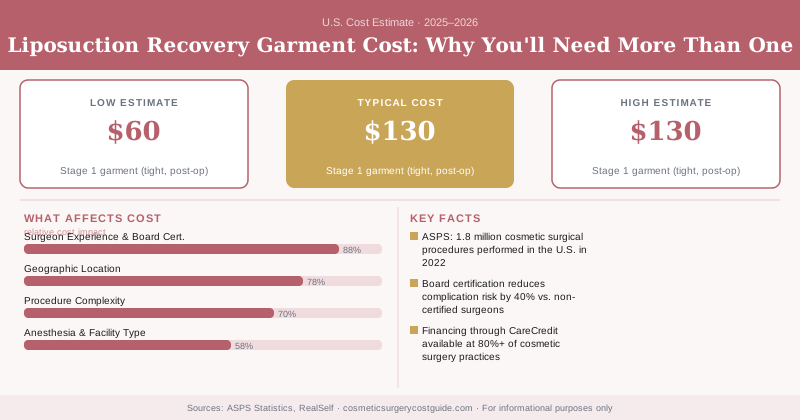
One garment won’t cut it. That’s the first thing liposuction patients learn the hard way, usually around day three when the only compression piece they own is in the laundry and they’re stuck lying flat waiting for it to dry. The garment isn’t an accessory here. It’s part of the treatment, and it’s a recurring cost most people leave out of their budget.
After liposuction, your skin needs to shrink down onto the new contour. Compression does that work. Skip it, wear it wrong, or stop too early, and you risk lumpy results, fluid pockets, and a longer recovery. So let’s talk about what these garments actually cost across the full six to eight weeks you’ll be wearing them.
What the Full Garment Run Costs
You don’t buy one garment. You buy a system that changes as the swelling goes down. Here’s the realistic spread for a standard multi-area lipo case.
| Item | Cost |
|---|---|
| Stage 1 garment (tight, post-op) | $60–$130 |
| Stage 2 garment (smaller, weeks 3–8) | $60–$140 |
| Backup garment (so one’s always clean) | $60–$130 |
| Foam pads / lipo boards | $20–$60 |
| Garment cleaning over 8 weeks | $15–$40 |
| Total garment spend | $215–$500 |
The American Society of Plastic Surgeons logged over 347,000 liposuction procedures in 2023, making it one of the most common cosmetic surgeries in the country. Yet the garment cost almost never shows up in the quote you’re handed.
Why Two Stages, Not One
Right after surgery you’re swollen, so the Stage 1 garment fits your post-op size. Two to three weeks in, that swelling drops and the garment goes loose. A loose garment does nothing. You’ll size down to a Stage 2 piece to keep even pressure as you settle into your final shape. Two garments, two purchases.
The Backup Isn’t Optional
You’re supposed to wear compression 23 hours a day at first. That math only works if you have a clean one ready while the other dries. One garment plus laundry equals hours of zero compression, exactly when it matters most. Buy a backup from the start.
Budget $215–$500 for garments alone across a full liposuction recovery, not the $60 most patients assume. You’ll need a Stage 1 piece, a smaller Stage 2 piece, and a backup so you’re never without compression while one’s in the wash.
Foam and Boards Make a Difference
Foam pads and abdominal lipo boards sit between your skin and the garment to spread pressure evenly and prevent ridges. They run $20–$60 and they’re genuinely worth it. Without them, garment seams can press grooves into healing tissue that take months to smooth out.
Buying through your surgeon’s office is the priciest route. Practices often mark garments up two to three times over retail. Ask exactly which size and compression level you need, then order the backup yourself from a medical supply retailer. You’ll get the same garment for far less.
Don’t Cheap Out on the Wrong Thing
There’s a difference between smart shopping and false economy. A $15 shapewear piece from a department store isn’t medical-grade compression. It rolls, bunches, and applies uneven pressure that can actually distort your results. Spend on the right garment; save by buying your backup yourself.
How It Fits the Bigger Picture
If you’re combining areas or pairing lipo with another procedure like a tummy tuck or mommy makeover, you may need a larger or specialized garment, which pushes you toward the top of that range. Factor it in early. And if cash is tight after surgery, financing the procedure can free up the recovery budget so you’re not skimping on the gear that protects your investment.
For the full timeline and what else to expect week by week, our recovery guide lays it out. The garment is small money compared to the surgery, but it’s the part that decides whether you love your result or live with lumps. Don’t treat it as an afterthought.
Frequently Asked Questions
Most patients spend $80–$400 total on compression garments throughout their full recovery period. This includes an initial garment ($150–$300), a backup for laundry days ($80–$200), and sometimes a second-stage lighter garment ($50–$150) for later recovery phases.
Compression garments are rarely covered by insurance since liposuction is typically an elective cosmetic procedure. You should budget for 100% out-of-pocket costs for all compression wear, though some surgeons may include one garment in their surgical package.
You need a backup garment because compression wear must be worn continuously (often 24/7) during the first 1–2 weeks of recovery, and washing requires removing it for several hours. Without a second garment, you risk compromising your results by going without compression while your first garment is in the laundry.