That persistent “tired look” — even when you’ve had a full eight hours — is one of the most common complaints that brings patients to a plastic surgeon’s office. Lower eyelid blepharoplasty directly targets it. According to the ASPS, eyelid surgery was the third most performed cosmetic surgical procedure in the US in 2023, with over 225,000 procedures completed. And for good reason: the under-eye area is one of the first places aging becomes visible, and it’s one of the highest-impact areas a surgeon can address.
Here’s what the numbers actually look like.
Lower Eyelid Blepharoplasty Cost Breakdown
| Component | Typical Cost |
|---|---|
| Surgeon’s fee | $2,000–$7,500 |
| Anesthesia (IV sedation) | $800–$1,500 |
| Surgical facility fee | $600–$1,800 |
| Pre-op labs & clearance | $150–$400 |
| Post-op care & garments | $100–$300 |
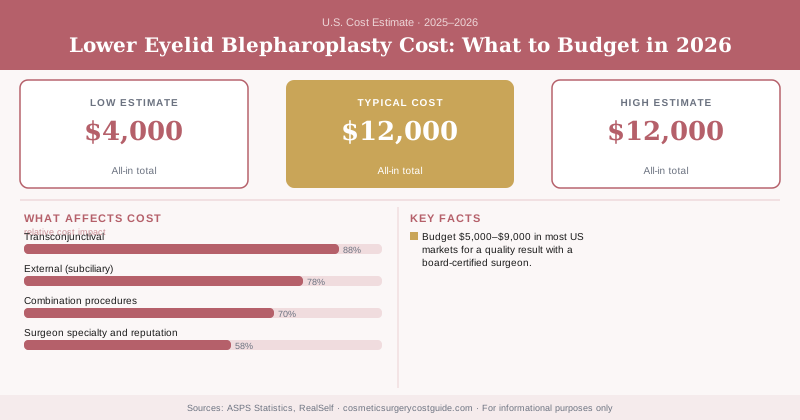
| All-in total | $4,000–$12,000 |
Most patients in major US markets land in the $5,500–$8,500 range for lower eyelid surgery alone. If you’re combining upper and lower blepharoplasty in the same session — which many patients do — expect a total of $6,000–$14,000, though you’ll save on anesthesia and facility fees compared to doing each separately.
Transconjunctival vs. External Approach: Does Technique Affect Price?
Yes, and it matters. For lower blepharoplasty, surgeons use two main approaches:
Transconjunctival (incision inside the eyelid): Best for patients who primarily have under-eye fat pockets without significant skin laxity. No external scar. Generally faster recovery. Surgeons who specialize in this technique often charge on the higher end because it requires more refined skill.
External (subciliary) approach: Incision just below the lash line. Allows the surgeon to remove excess skin in addition to fat. More appropriate for patients with noticeable skin laxity. Slightly longer recovery. Most surgeons charge similarly for both, but some charge a small premium for combined skin-and-fat cases.
If a surgeon recommends the external approach for a patient who’s in their late 30s with no real skin laxity, that’s a flag worth questioning.
Older techniques simply removed under-eye fat, sometimes leaving patients with a hollowed, over-operated look. Modern technique — and most skilled surgeons today — favors fat repositioning: moving the fat down into the tear trough area to fill hollow areas rather than removing it entirely. This produces more natural, lasting results. Ask specifically which approach your surgeon uses and look at before/after photos of patients in your age range.
What Makes the Price Go Up
Combination procedures: Lower blepharoplasty is frequently paired with upper eyelid surgery, a brow lift, or a facelift. Combining at one session saves on overhead costs (typically 15–25%) but increases total procedure time and recovery.
Surgeon specialty and reputation: An oculoplastic surgeon — a specialist trained in both ophthalmology and reconstructive/cosmetic surgery of the eyelid — often charges a premium. Their expertise in eyelid anatomy is specific and hard-won. Board-certified plastic surgeons who focus heavily on facial procedures are also a strong choice. Generalists at a medical spa are not.
Geographic location: NYC, Beverly Hills, Chicago, and Miami carry meaningful premiums. The same procedure with an equally qualified surgeon in Phoenix, Austin, or Charlotte may run 20–35% less.
Fat grafting add-on: Some patients have fat repositioned or add fat grafting to the tear trough area at the same session ($1,500–$3,000 additional). This can eliminate the need for tear trough fillers for years.
Is It Covered by Insurance?
In the vast majority of cases, no. Lower blepharoplasty is considered cosmetic. The exception is functional cases where significant lower lid laxity causes issues like ectropion (the lower lid turning outward), which can genuinely impair vision or corneal health. These cases may qualify for insurance coverage, but they’re a small minority.
Be cautious of any lower eyelid surgeon who doesn’t conduct a thorough functional eye exam before surgery or who doesn’t ask about your dry eye history. Lower blepharoplasty can temporarily worsen dry eye symptoms. A surgeon who doesn’t screen for this is missing a step that matters both for your safety and your satisfaction.
Recovery Timeline and Hidden Costs
Plan for 1–2 weeks before you’re comfortable in public. Bruising and swelling peak at days 3–5. Most patients are presentable with concealer by week two, though complete swelling resolution can take 6–8 weeks.
Budget additionally for:
- Prescription eye drops and ointments: $40–$120
- Cool compresses and recovery supplies: $30–$60
- Time off work: 7–14 days depending on your job type
- Avoiding contact lenses for 2–3 weeks post-op
Bottom Line
Lower eyelid blepharoplasty is one of cosmetic surgery’s best value procedures — the results are natural-looking, long-lasting (often 10+ years), and address one of the most visible signs of aging. Budget $5,000–$9,000 in most US markets for a quality result with a board-certified surgeon. Get at least two consultations, look at extensive before/after photos, and ask each surgeon specifically whether they prefer fat repositioning or removal and why.
Frequently Asked Questions
Surgeon fees typically range from $2,000 to $7,500, while total all-in costs including facility, anesthesia, and post-op care run $4,000 to $12,000. The final price depends on surgeon experience, geographic location, and whether additional procedures like upper lid surgery are performed simultaneously.
Insurance rarely covers lower eyelid blepharoplasty when performed purely for cosmetic reasons, leaving patients responsible for the full cost out-of-pocket. However, if the procedure is deemed medically necessary to improve vision or treat a functional problem, some insurance plans may cover 50-80% of expenses; you'll need pre-approval and documentation from your surgeon.
Most patients can return to light activities within 7-10 days, though complete healing takes 4-6 weeks. Swelling and bruising are typically most noticeable in the first two weeks, and you should avoid strenuous exercise, heavy lifting, and swimming during the initial recovery period.