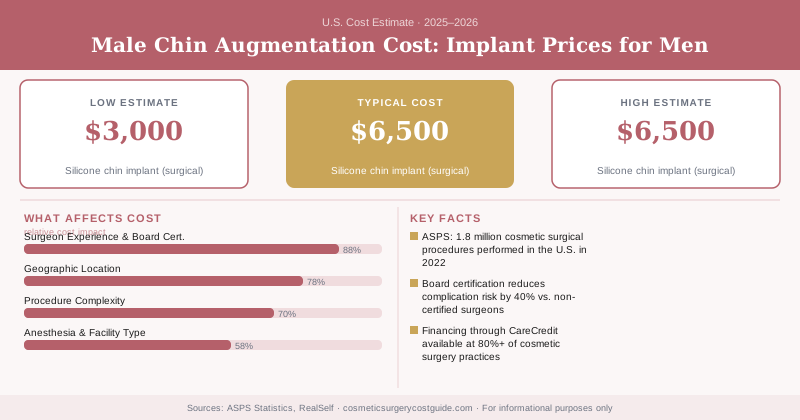
What does a stronger chin actually cost a man? With a permanent silicone implant, $3,000 to $6,500 all-in. With filler instead, less up front but you’re paying again every year. The right answer depends on whether you want a one-time fix or a try-before-you-buy.
A weak or recessed chin throws off the whole lower face — it makes the nose look bigger and the neck look softer. Chin augmentation (genioplasty or mentoplasty) corrects that by projecting the chin forward. For men, a defined chin reads as strength and balance, which is exactly why it’s surged in popularity alongside jawline work.
Implant versus filler pricing
You’ve got two roads. A surgical implant is permanent; filler is temporary but reversible.
| Option | Cost |
|---|---|
| Silicone chin implant (surgical) | $3,000 – $6,500 |
| Sliding genioplasty (bone surgery) | $6,000 – $10,000 |
| Chin filler (per session) | $700 – $2,400 |
| Filler maintenance (annual) | $1,400 – $3,000 |
Facial implants and contouring are part of a broad male surgical trend — the American Society of Plastic Surgeons logged more than 1.4 million male cosmetic procedures in 2023, with facial balancing among the standouts. If you want the unisex picture on implants and the mentoplasty technique, our chin augmentation cost guide covers it in depth.
A permanent silicone chin implant runs $3,000 to $6,500 — a one-time cost. Filler is cheaper per visit ($700 to $2,400) but recurs yearly. Over five years, filler often costs more than the implant would have. For a permanent weak-chin fix, the implant is usually the better value.
Why men get it
Plenty of guys come in thinking they need a rhinoplasty when the real imbalance is a weak chin making the nose look oversized. A good surgeon evaluates the whole profile. Sometimes augmenting the chin alone balances the face and you don’t touch the nose at all — which can be cheaper and lower-risk than nose surgery.
Don’t oversize the implant. Going too big can make the lower face look heavy or unnatural and may erode the underlying bone over time. Sizing should be planned to your specific facial proportions, not a one-size catalog pick. An experienced surgeon will size with imaging or trial sizers during surgery.
Recovery
Implant surgery is quick — often under an hour — and frequently done through a small incision under the chin or inside the mouth. Expect swelling and tightness for one to two weeks; you’ll feel “off” chewing for a few days. Most men return to work in about a week. The implant settles into its final look over a month or two. Filler, by contrast, has essentially no downtime. Our cosmetic surgery recovery guide details aftercare for facial implants.
Implant versus sliding genioplasty
There are two surgical ways to build a stronger chin, and they’re priced differently for a reason. A silicone or porous implant is the simpler, cheaper option — the surgeon places a pre-shaped implant over the chin bone through a small incision, and it’s reversible if you ever want it out. A sliding genioplasty is real bone surgery: the surgeon cuts the chin bone and slides it forward, fixing it with small plates. It costs more and has a longer recovery, but it’s the better choice for severe recession or when the chin also needs to move vertically. For most men with a modestly weak chin, the implant delivers great results at the lower price. Your surgeon will recommend based on how much projection your face actually needs.
Paying for it
Chin augmentation is cosmetic, so plan to pay out of pocket. Surgeons commonly offer financing — see our cosmetic surgery financing guide for terms. Because facial implants are permanent and shape the most visible part of your profile, surgeon skill matters enormously. Confirm yours is a board-certified plastic surgeon who does facial implant work routinely.
For a man whose only facial complaint is a soft chin, augmentation is one of the highest-return procedures out there. A $3,000 to $6,500 implant can balance your entire profile — and you only pay once.
Frequently Asked Questions
Male chin augmentation with a permanent silicone implant typically costs $3,000 to $6,500, which includes the surgeon's fee, facility costs, and anesthesia. If you choose dermal filler instead, upfront costs are lower but you'll need repeat treatments every 9-12 months, adding to long-term expenses.
No, chin augmentation is considered a cosmetic procedure and is not covered by health insurance, meaning you'll pay the full cost out-of-pocket. Some surgeons offer financing options or payment plans to help manage the $3,000 to $6,500 expense.
Most men return to light activities within 3-5 days and can resume normal exercise and work within 1-2 weeks, though full swelling subsides over 4-6 weeks. Results with a silicone implant are permanent, making it a one-time procedure unlike filler alternatives that require annual touch-ups.