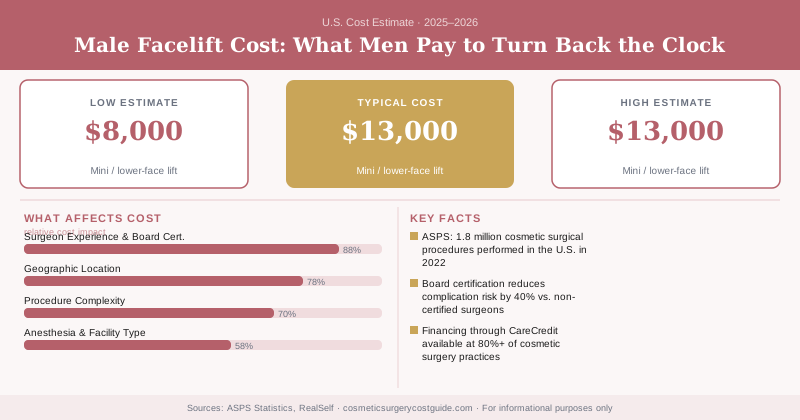
Most guys assume a facelift is a women’s procedure. Wrong. The American Society of Plastic Surgeons (ASPS) has tracked rising demand for facial rejuvenation among men for over a decade, and facelift consistently appears among the top surgical procedures men request. The price? Expect $10,000 to $20,000 all-in for a male facelift, depending on technique and where you live.
That range is broad because “facelift” covers everything from a focused lower-face lift to a full deep-plane procedure. Men also bring a specific surgical wrinkle that bumps cost: beard-bearing skin.
A male facelift runs $10,000 to $20,000 once you include surgeon, anesthesia, and facility fees. Men’s surgery requires extra care around hair-bearing skin and beard follicles, which adds technical complexity and sometimes cost.
Why a man’s facelift is its own challenge
When a surgeon lifts and repositions facial tissue, they have to reroute the natural hairline and beard zone so it still looks normal afterward. Done poorly, beard hair ends up growing behind the ear or the sideburn vanishes. Men also have richer blood supply in the face, which raises the risk of post-op bleeding (hematoma) compared with women. Both factors mean more meticulous work.
| Type of facelift | Typical all-in cost |
|---|---|
| Mini / lower-face lift | $8,000 – $13,000 |
| Traditional SMAS facelift | $12,000 – $18,000 |
| Deep-plane facelift | $15,000 – $25,000 |
| Add neck lift (combined) | + $3,000 – $6,000 |
The ASPS base surgeon’s fee for a facelift has run in the $8,000–$9,000 range in recent annual data, but that’s before anesthesia and OR costs. Add those and you reach the totals above. Compare the general numbers in our facelift cost guide.
What men are actually fixing
Most male facelift patients are in their 50s and 60s targeting jowls, a sagging neck, and a heavy lower face. A lot of men combine the facelift with a neck lift because the two areas age together, and treating them separately later costs more.
Hematoma is the most common facelift complication, and the risk is meaningfully higher in men. Follow your surgeon’s blood-pressure and activity restrictions exactly during the first week. Skipping them isn’t worth an emergency return to the OR.
Recovery realities
Expect 10 to 14 days before you look socially presentable, with bruising and swelling peaking around day three. Most men return to desk work in two weeks and to the gym in four to six. Sleeping elevated and avoiding strenuous lifting early on matters. Walk through the full timeline in our cosmetic surgery recovery guide.
Spending smart
A facelift is one procedure where surgeon skill shows on your face for a decade, so this is the wrong place to bargain-hunt. Verify credentials with our board-certified plastic surgeon guide and look specifically at before-and-after photos of male patients. A natural masculine result keeps a defined jawline and avoids the pulled, tight look.
If the all-in number stretches your budget, financing is common since facelifts are purely cosmetic and not insurance-covered. Our cosmetic surgery financing guide compares medical lenders and credit options.
The takeaway: budget $10,000 to $20,000, plan two weeks of social downtime, and choose your surgeon on results, not the lowest quote. A facelift you’ll wear for years is worth doing once and doing right.
Frequently Asked Questions
A male facelift typically costs between $10,000 and $20,000 all-in, covering surgeon fees, facility costs, and anesthesia. The final price depends on the technique used (mini facelift vs. full facelift), surgeon experience, and your geographic location, with costs higher in major metropolitan areas.
No, facelift surgery is considered a cosmetic procedure and is not covered by health insurance plans. You'll pay the entire cost out-of-pocket, though some surgeons offer financing plans or payment arrangements to help spread the $10,000–$20,000 expense over time.
Most men can return to desk work within 2–3 weeks, though full recovery takes 2–3 months for swelling and bruising to completely subside. Strenuous exercise and heavy lifting should be avoided for at least 4–6 weeks post-surgery to protect the surgical results.