Here’s the thing most people don’t know: panniculectomy — the surgical removal of the hanging apron of skin and fat below the abdomen — is sometimes covered by health insurance. Not cosmetic surgery in general, not a tummy tuck, but specifically panniculectomy, when there’s documented medical necessity. That changes the entire cost conversation.
The panniculus is the overhanging skin fold (often called a “pannus” or “apron”) that develops after massive weight loss, multiple pregnancies, or significant abdominal changes. It hangs over the pubic area and thighs, causes chronic skin infections, rashes, ulcers, and significant functional limitations. When those symptoms are documented and persistent, insurers — including Medicare and Medicaid — may cover the procedure.
Panniculectomy Cost Breakdown
| Scenario | Cost Range |
|---|---|
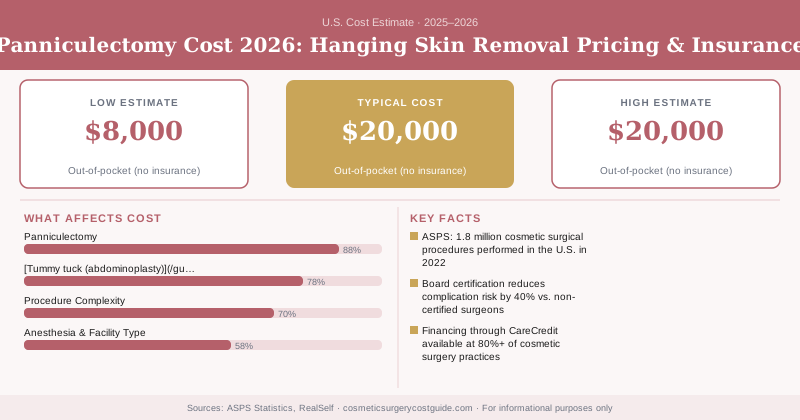
| Out-of-pocket (no insurance) | $8,000–$20,000 |
| Surgeon fee | $4,000–$9,000 |
| Anesthesia fee | $1,500–$3,000 |
| Hospital / facility fee | $3,000–$8,000 |
| With insurance coverage (patient pays) | $500–$4,000 (deductibles/copays) |
| Combined panniculectomy + tummy tuck | $12,000–$25,000 |
| Revision / secondary panniculectomy | $6,000–$15,000 |
Panniculectomy vs. Tummy Tuck: A Critical Distinction
These are often confused, and confusing them costs people money — or costs them insurance coverage.
Panniculectomy removes the overhanging skin and fat below the navel. It doesn’t tighten the underlying abdominal muscles, doesn’t address the upper abdomen, and doesn’t attempt to create a cosmetically flat, sculpted abdomen. It’s a functional procedure — remove the pannus, eliminate its medical consequences.
Tummy tuck (abdominoplasty) is a cosmetic surgery that removes skin, repositions the navel, tightens muscles, and creates an aesthetically flatter, smoother abdominal contour. Insurance doesn’t cover tummy tucks.
Insurers know the difference. If you submit a claim that looks like a cosmetic tummy tuck, it will be denied. If you document a medically necessary panniculectomy with proper evidence, coverage is possible. Some surgeons perform both simultaneously — a panniculectomy covered by insurance plus a cosmetic tummy tuck extension paid out-of-pocket. This combined approach can deliver superior aesthetic results while maximizing coverage for the medical portion.
Insurance Coverage: What Qualifies
Coverage criteria vary by insurer but typically require documentation of:
- Chronic intertrigo or skin infections: Recurring rashes, fungal infections, or bacterial infections in the skin folds beneath the panniculus, documented over at least 3–6 months of treatment
- Skin ulceration: Open wounds or non-healing ulcers beneath the skin fold
- Significant functional impairment: The pannus causes difficulty walking, interferes with hygiene, or prevents normal daily activities
- Stable weight: Many insurers require weight stability for 6–12 months after bariatric surgery before approving panniculectomy
- Failed conservative treatment: Documentation that topical antifungals, barrier creams, wound care, and hygiene measures haven’t resolved the symptoms
The ASPS reports that post-bariatric body contouring procedures — of which panniculectomy is the most commonly approved — are increasingly covered by insurers as evidence mounts that the procedures reduce ongoing medical costs from recurring infections and wound management.
Start documentation early — before you’re ready for surgery. Every dermatology visit for intertrigo, every antibiotic prescription for skin infection, every primary care note about functional limitations from the pannus — all of it becomes part of your prior authorization file. Photographs of the skin condition (taken at medical appointments, not selfies) carry significant weight. Your surgeon’s office will handle the authorization process, but you can accelerate it by having this documentation organized. Letters of medical necessity from your primary care physician, dermatologist, and surgeon, submitted together, improve approval rates substantially.
The Surgery Itself
Panniculectomy is performed under general anesthesia in a hospital or accredited surgical facility, typically taking 2–4 hours. The surgeon makes a low horizontal incision across the lower abdomen, excises the overhanging skin and fat, and closes the wound in layers. Drains are commonly placed to prevent fluid accumulation and removed 1–2 weeks post-operatively.
Recovery is significant — this is major abdominal surgery:
- Week 1–2: Hospital stay may be 1–2 nights; significant soreness, drains in place, very limited mobility
- Week 2–4: Return to light activity, driving resumes when off narcotics and drains are removed
- Week 4–6: Most routine activities resume, no heavy lifting
- Week 8–12: Full activity clearance, scar maturation begins
The scar runs horizontally across the lower abdomen, similar in position to a C-section scar but typically longer. It’s permanent, though it fades significantly over 12–18 months.
When Panniculectomy Is Not Covered
Private insurers, Medicare, and Medicaid all apply criteria. Denials happen when:
- Documentation is insufficient or incomplete
- The patient doesn’t have documented chronic symptoms
- Weight hasn’t stabilized (for post-bariatric patients)
- The claim looks cosmetic rather than functional
If you’re denied, you can appeal — and appeals succeed more often than people expect when supported by thorough medical documentation. Your surgeon’s office and your insurer’s patient advocate service are resources for navigating this.
For patients without insurance or who don’t meet coverage criteria, financing through CareCredit or Alphaeon Credit is the most common route, as these plans cover medically-adjacent cosmetic procedures.
Panniculectomy carries higher surgical risk than most cosmetic procedures because patients who’ve experienced massive weight loss often have nutritional deficiencies, diabetes, or cardiovascular conditions that complicate healing. Your surgical team should evaluate and optimize your nutritional status — particularly protein, vitamin D, zinc, and iron — before surgery. Albumin and pre-albumin levels below normal ranges significantly increase wound complication rates. Don’t skip the pre-surgical medical optimization phase.
The Bottom Line
Panniculectomy’s cost ranges from $500–$4,000 when insurance covers it, to $8,000–$20,000 out-of-pocket. The difference is documentation. If you have medically justified need — chronic infections, functional impairment, documented failed conservative treatment — build the paper trail and pursue insurance coverage before assuming you’ll pay full price. For the large population of post-bariatric surgery patients, this procedure delivers not just cosmetic improvement but genuine quality-of-life restoration.
Frequently Asked Questions
Panniculectomy typically costs $8,000–$20,000 out-of-pocket when paid privately, depending on surgeon experience, geographic location, and the extent of skin removal needed. However, many patients pay significantly less or nothing if insurance covers the procedure due to medical necessity, such as chronic skin infections or mobility issues caused by the pannus.
Yes, many health insurance plans cover panniculectomy when it is documented as medically necessary rather than cosmetic, such as cases involving recurrent skin infections, hygiene problems, or functional impairment. You will typically need prior authorization and medical records proving the condition, though out-of-pocket costs may still include deductibles, copays, and coinsurance ranging from $1,000–$5,000.
Most patients can return to light activities within 2–3 weeks, but full recovery typically takes 6–8 weeks before resuming exercise and heavy lifting. Swelling and bruising usually peak in the first two weeks and gradually improve, though you should follow your surgeon's specific restrictions to avoid complications like seroma or wound separation.