The $850 quote for plasma fibroblast on her upper eyelids was lower than Diane, 51, had expected — significantly lower than the $4,200 she’d been quoted for surgical blepharoplasty. What she didn’t realize until afterward was that the recovery was harder than she’d anticipated, and the results, while real, weren’t what the before-and-after photos had suggested. Understanding the full picture — what plasma fibroblast actually does, where it works, and where it falls short — is the starting point for any realistic budget decision.
What Is Plasma Fibroblast Skin Tightening?
Plasma fibroblast uses a handheld device that generates a small electrical arc of plasma energy — the fourth state of matter, formed when gas is ionized. When the arc contacts the skin without physically touching it, it creates a tiny controlled thermal injury that causes immediate tissue contraction and stimulates fibroblast activity (the cells responsible for collagen production).
The treatment creates tiny carbon dots (“scabbing spots”) across the treatment area. As these heal over 5–10 days, the skin contracts and tightens. Unlike RF or laser, plasma fibroblast achieves tightening through direct tissue sublimation rather than deep heating — which means different results profiles and different risks.
The American Society for Dermatologic Surgery notes that plasma energy devices have become increasingly popular for non-surgical skin tightening since the early 2020s, though regulatory oversight is patchy — many devices are marketed without FDA clearance for specific indications, and the treatment is performed in a wide range of settings from dermatology offices to unlicensed salons.
Cost by Treatment Area
| Treatment Area | Low | Typical | High |
|---|---|---|---|
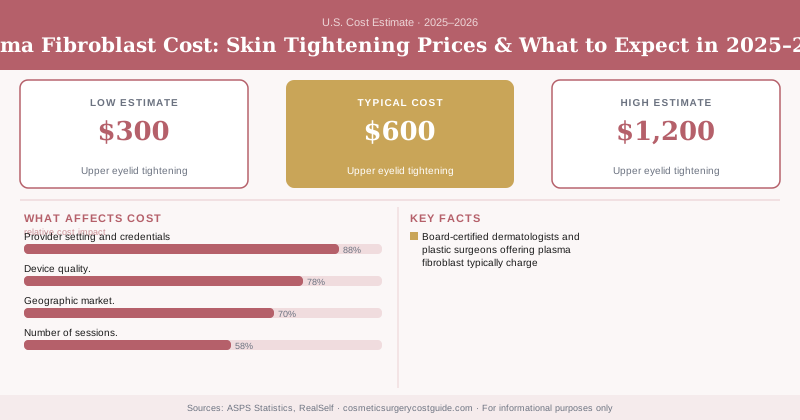
| Upper eyelid tightening | $300 | $600 | $1,200 |
| Lower eyelid / under-eye | $300 | $600 | $1,200 |
| Both upper + lower eyelids | $500 | $1,000 | $2,000 |
| Crow’s feet | $200 | $400 | $800 |
| Neck tightening | $400 | $800 | $1,500 |
| Forehead / brow lift effect | $400 | $750 | $1,400 |
| Lip lines (perioral area) | $300 | $500 | $1,000 |
| Stretch marks (per area) | $400 | $700 | $1,200 |
| Acne scar spot treatment | $200 | $450 | $900 |
Total treatment costs for multiple areas run $800–$3,000+ in most markets. Package pricing (multiple areas in one session) is common and typically saves 15–25%.
What Drives Plasma Fibroblast Pricing?
Provider setting and credentials vary enormously in this space. Board-certified dermatologists and plastic surgeons offering plasma fibroblast typically charge $800–$1,500/area because they have medical oversight and standardized protocols. Medical spas charge $400–$800. Independent beauty practitioners — who may or may not be operating legally depending on state regulations — charge $200–$500.
This is a category where the lowest price carries the highest risk. Because the treatment creates real tissue injury, improper technique can cause scarring, hyperpigmentation, or asymmetry that is difficult or impossible to correct.
Device quality. FDA-cleared plasma devices (there are a limited number; Renuvion is one; others exist under various names) are more expensive for providers to operate and produce more consistent results than cheap, uncertified devices that flood the market from overseas manufacturers.
Geographic market. As with all aesthetic treatments, coastal city pricing runs 30–50% above inland markets.
Number of sessions. Most areas require 1–2 sessions for initial results, then annual or biannual maintenance. The quotes above are per-session; plan for 2 sessions in some cases.
Clinical evidence and practitioner experience converge on these areas as the most consistent performers:
Strong evidence of benefit:
- Eyelid tightening (upper lids specifically) — direct tissue contraction works well in thin, loose skin
- Perioral lines (smoker’s lines around mouth)
- Crow’s feet
Moderate results:
- Lower eyelids (more variable; more risk near eye)
- Neck (multiple sessions often needed)
- Small areas of stretch marks or scars
Less consistent:
- Large areas of significant skin laxity (abdomen, arms)
- Deep wrinkles (surface treatment doesn’t reach the depth needed)
- Dark skin tones (highest risk of hyperpigmentation — see below)
The Recovery Reality
The carbon dot scabbing phase is the aspect most patients don’t fully anticipate. Here’s what the recovery actually involves:
Day 1: Immediate tightening visible, but significant swelling — especially around eyes, which may swell shut temporarily. Carbon dots appear as tiny dark spots across treated area.
Days 2–5: Swelling peaks (eyelids may look alarming). Carbon dots dry and begin to form scabs. Keep area clean and dry.
Days 5–10: Scabs naturally fall off (do NOT pick them — this causes scarring). Skin underneath is pink.
Week 2: Pink fades, but the treated area may be visibly different from surrounding skin.
Month 1: Initial tightening result visible.
Month 3–6: Final result emerges as collagen remodeling completes.
Most patients need 7–10 days of social downtime — more than what’s typical for laser or RF treatments. Plan accordingly.
Darker skin tones carry significant hyperpigmentation risk. Plasma fibroblast creates real thermal injury, and in Fitzpatrick skin types IV–VI, this routinely causes post-inflammatory hyperpigmentation (PIH) that can last months and in some cases be permanent. If you have a medium to dark complexion, have a detailed conversation about this risk with a dermatologist before proceeding. Many practitioners are not adequately counseling patients on this risk.
How It Compares to Surgical and Other Non-Surgical Alternatives
vs. Surgical eyelid lift (blepharoplasty): Surgical results are more dramatic, more predictable, and more durable (7–10 years vs. 1–3 years for plasma). Surgery costs $3,000–$6,000 and has a longer recovery (2–3 weeks). Plasma is a reasonable option for mild to moderate laxity; surgery is better for significant excess skin.
vs. Ultherapy/HIFU: Ultrasound-based tightening works at deeper tissue layers, stimulating SMAS lifting without surface injury. Less downtime, more suitable for darker skin. More expensive ($1,500–$4,000/area). Different mechanism; some areas respond better to one vs. the other.
vs. RF microneedling (Morpheus8): Penetrates deeper and treats more aggressively, but doesn’t achieve the surface contraction that plasma does for eyelid skin. Often combined with plasma for comprehensive results.
vs. laser resurfacing (CO₂): CO₂ laser produces more controlled, predictable results with established clinical data. More expensive, similar downtime. For skin around the eyes specifically, ablative laser has a longer evidence base.
Is Plasma Fibroblast Worth the Cost?
For the right patient — mild to moderate upper eyelid laxity, lighter skin tone, realistic expectations about the degree of tightening achievable — plasma fibroblast genuinely delivers. At $500–$1,000/area from a qualified provider, it costs a fraction of surgery while providing real, measurable tightening with no incisions.
It’s not the right choice if you want dramatic transformation, have significant skin laxity, have a darker complexion, or aren’t prepared for 7–10 days of visible recovery. And it’s not the right choice if you’re prioritizing price over provider quality in a procedure where technique errors cause lasting skin damage.
If you’re seriously considering it, have a consultation with a board-certified dermatologist or plastic surgeon — not just a med spa — who can evaluate your specific skin and recommend whether plasma, laser, RF, or surgery is actually the best fit for your anatomy and goals.
Frequently Asked Questions
Plasma fibroblast treatment typically costs between $300 and $1,500 per area treated, with most patients paying $600–$1,200 for common zones like the face, neck, or eyelids. A single upper eyelid treatment, for example, averages around $850, while full-face treatments can reach $1,500 or more depending on the provider and geographic location.
Plasma fibroblast is considered a cosmetic procedure and is not covered by health insurance, meaning you pay the full cost out-of-pocket with no insurance reimbursement. Some practices offer financing plans or payment installments to help manage the upfront expense.
Recovery from plasma fibroblast is typically more intensive than non-invasive treatments, with visible redness, swelling, and crust formation lasting 5–10 days, with full healing taking 2–3 weeks. Most patients can return to normal activities within a week but should avoid sun exposure, makeup, and strenuous exercise during the initial recovery period.