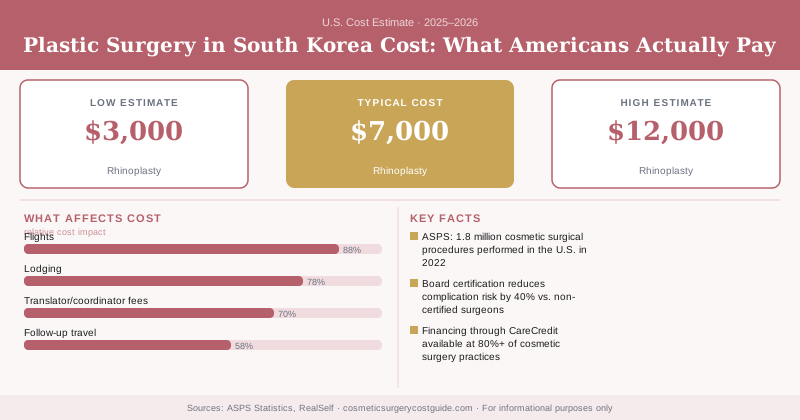
Nearly one in three South Korean women in their twenties has had some form of cosmetic surgery, according to a widely cited 2020 Gallup Korea survey. That culture of high-volume, competitively priced surgery is exactly why thousands of Americans now fly to Seoul every year for procedures that cost roughly half what they’d pay at home.
What plastic surgery in Korea actually costs
| Procedure | Korea Cost (USD) | Typical U.S. Cost |
|---|---|---|
| Rhinoplasty | $3,000–$6,000 | $7,000–$12,000 |
| Double eyelid surgery | $1,500–$3,000 | $3,000–$5,000 |
| V-line jaw contouring | $8,000–$15,000 | $15,000–$25,000 |
| Facial fat grafting | $2,500–$5,000 | $5,000–$9,000 |
| Full facial contouring package | $15,000–$30,000 | $30,000–$50,000+ |
| Breast augmentation | $4,000–$7,000 | $6,500–$12,000 |
Why it’s so much cheaper
Korea’s plastic surgery industry runs on volume. Gangnam district alone is home to hundreds of clinics competing directly for both domestic and international patients, which keeps prices sharply competitive. Labor and facility costs are also lower than in major U.S. metros, and many surgeons specialize in a single procedure — say, jaw contouring or rhinoplasty — performing dozens per month, which builds efficiency that translates into lower per-case overhead.
The International Society of Aesthetic Plastic Surgery’s Global Survey has repeatedly ranked South Korea among the top countries worldwide for cosmetic procedures per capita, reflecting both strong domestic demand and a mature medical tourism infrastructure built specifically to serve it.
Korean clinics catering to international patients often quote all-inclusive packages covering surgery, anesthesia, one to two nights of post-op recovery care, airport pickup, and translator services. Always ask exactly what’s bundled — some quotes exclude compression garments, medications, or a required second consultation, which can add $500–$1,500 to your total.
The hidden costs people forget
The sticker price on surgery is rarely the full trip cost. Factor in:
- Flights: $900–$1,800 round-trip from major U.S. cities
- Lodging: $50–$150/night for the 1–3 weeks many procedures require you to stay nearby
- Translator/coordinator fees: often bundled, but sometimes $200–$500 extra
- Follow-up travel: a second trip for suture removal or revision consultation isn’t unusual
Add it up and a $4,000 rhinoplasty can become a $6,500–$8,000 total trip cost — still meaningfully less than U.S. pricing, but not the bargain the headline number suggests.
How to vet a clinic before you book
Look for board certification with the Korean Society of Plastic and Reconstructive Surgeons, hospital accreditation (not a standalone clinic with no admitting privileges anywhere), and a patient coordinator fluent in English who can walk you through consent forms in detail — not just marketing materials. Ask to see before-and-after photos of patients with a similar facial structure or body type to yours, not generic gallery shots.
What can go wrong
Long-haul flights within two weeks of major surgery raise deep vein thrombosis risk substantially, and complications discovered after you’ve returned to the U.S. often require finding a domestic surgeon willing to take on someone else’s revision — which many are reluctant to do. Get a clear, written revision policy before you travel, and confirm your U.S.-based doctor is willing to monitor your recovery if something goes wrong after you’re home.
Bottom line
Plastic surgery in South Korea costs 40–60% less than the U.S. for most facial procedures, with rhinoplasty at $3,000–$6,000 and full facial contouring packages at $15,000–$30,000. Once you add flights, lodging, and a buffer for follow-up care, expect your realistic all-in cost to land 20–30% above the advertised surgery price — still a substantial savings, provided you’ve vetted the clinic and understand exactly what happens if you need a revision after you’re home.
Frequently Asked Questions
Most procedures in Seoul's Gangnam district cost 40–60% less than equivalent surgery in the U.S. Rhinoplasty that runs $7,000–$12,000 in the U.S. typically costs $3,000–$6,000 in Korea, and facial contouring packages that cost $30,000–$50,000 stateside often run $15,000–$30,000.
Major Gangnam-district hospitals accredited by Korea's Ministry of Health and experienced with international patients are generally safe, but risks rise with unaccredited clinics, language barriers during consent, and the lack of easy in-person follow-up once you fly home. Vet the surgeon's board certification and ask specifically about English-speaking patient coordinators.
Standard U.S. health insurance almost never covers cosmetic surgery performed abroad, and most plans also exclude complications arising from elective procedures done overseas. Medical tourism-specific insurance policies exist and typically cost $200–$600, covering complication treatment and, in some cases, medical evacuation.