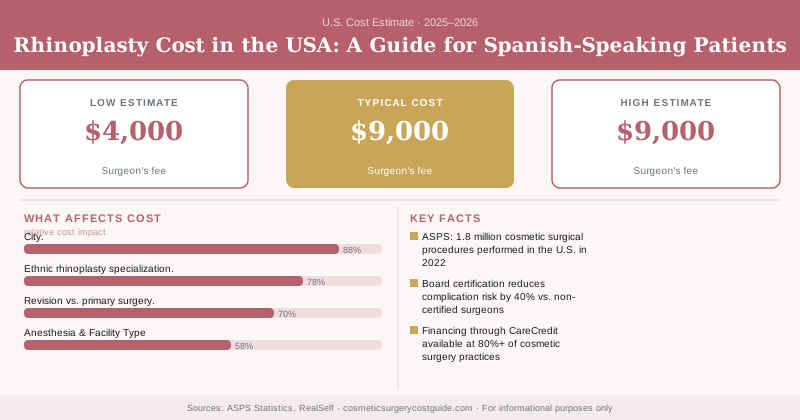
In 2010, a nose job in a major U.S. city ran roughly $4,000. Today, that same procedure with the same surgeon-experience level runs $6,000–$10,000 — and patients searching in Spanish for “rinoplastia costo en USA” are often comparing that number against a much lower quote back home. Here’s what actually drives the U.S. price, and whether the gap is worth crossing a border to close.
Rhinoplasty (nose reshaping surgery) is one of the most requested cosmetic procedures among Hispanic and Latino patients in the U.S., and pricing questions come up constantly for patients weighing a local U.S. surgeon against options in Mexico, Colombia, or elsewhere in Latin America.
U.S. rhinoplasty cost breakdown
| Component | Cost Range |
|---|---|
| Surgeon’s fee | $4,000–$9,000 |
| Anesthesia fee | $800–$1,800 |
| Facility/OR fee | $1,000–$2,500 |
| Total cosmetic rhinoplasty | $5,000–$15,000 |
| Revision rhinoplasty | $7,000–$20,000 |
| Functional (septoplasty) portion, if covered | Insurance may cover partially |
Why U.S. rhinoplasty costs what it does
Rhinoplasty is widely considered one of the most technically demanding cosmetic procedures — reshaping bone and cartilage while preserving breathing function and facial harmony requires years of specialized training beyond general plastic surgery residency. The American Society of Plastic Surgeons reports an average surgeon’s fee of roughly $6,100 for rhinoplasty, among the higher average fees of any cosmetic surgical procedure, reflecting the complexity and revision risk involved.
U.S. facilities are also required to meet strict accreditation standards for anesthesia safety and surgical center certification (AAAASF, AAAHC, or Joint Commission), which adds real infrastructure cost that gets passed through to patients — but also provides meaningful safety accountability.
The Mexico/Latin America price gap — and what it actually reflects
Rhinoplasty performed in Mexico, Colombia, or other Latin American countries commonly runs 40-60% cheaper than the U.S. — sometimes $2,000–$5,000 total. That gap is real, but it isn’t free money. It typically reflects lower labor and facility costs in those countries, not necessarily lower surgical quality on its own. The bigger risk factors are different: post-operative follow-up becomes logistically difficult once you’ve returned home, complication or revision rates are harder to track since there’s less regulatory oversight tying outcomes to individual surgeons, and if something goes wrong, you don’t have the same legal or medical recourse you’d have with a U.S.-licensed provider.
Whether you’re looking at a U.S. surgeon or one abroad, verify board certification directly — in the U.S., check the American Board of Plastic Surgery’s public verification tool, not just a certificate on the wall. Ask to see before-and-after photos of patients with a similar nasal structure and ethnic background to yours, since technique and aesthetic goals for Latino and Hispanic patients (often preserving ethnic characteristics rather than “Westernizing” the nose) require specific experience many general rhinoplasty surgeons don’t have.
What actually moves the U.S. price within its range
City. Miami, Los Angeles, and New York — cities with large Hispanic populations and surgeons who specialize in ethnic rhinoplasty — often charge premium rates precisely because of demand and specialized expertise.
Ethnic rhinoplasty specialization. Surgeons with specific training in ethnic rhinoplasty techniques, which preserve rather than erase ethnic nasal features, often charge more due to specialized demand.
Revision vs. primary surgery. A rhinoplasty revision costs meaningfully more than a first-time surgery due to scar tissue and altered anatomy.
Financing options for U.S. patients
Since insurance doesn’t cover cosmetic rhinoplasty, most U.S. patients use cosmetic surgery financing — medical credit cards like CareCredit or Alphaeon, or personal loans — to spread the $5,000–$15,000 cost over monthly payments rather than paying upfront.
If you’re considering surgery abroad specifically to save money, budget for the real possibility of needing a revision. U.S. surgeons report a meaningful share of their revision rhinoplasty caseload comes from patients who had initial surgery abroad and experienced complications, asymmetry, or breathing problems that weren’t addressed. Revision rhinoplasty costs more than a primary procedure — sometimes enough to erase the original savings entirely.
Bottom line
Rhinoplasty in the U.S. costs $5,000–$15,000, reflecting surgeon training, accreditation standards, and facility safety requirements. Options abroad can cost significantly less but carry real follow-up and accountability tradeoffs. Whichever you choose, prioritize a verifiably board-certified surgeon with specific ethnic rhinoplasty experience over the lowest number on the page.
Frequently Asked Questions
Rhinoplasty in the United States typically costs between $5,000 and $15,000, with the American Society of Plastic Surgeons reporting an average surgeon's fee of around $6,100, before anesthesia and facility fees are added. Total cost varies significantly by city, surgeon experience, and whether the surgery is purely cosmetic or also addresses breathing function.
Yes, rhinoplasty performed in Mexico, Turkey, or other medical tourism destinations is often 40-60% less expensive than in the United States, but patients take on added risks including less accountability for complications, difficulty accessing follow-up care, and no guarantee the surgeon holds U.S.-equivalent board certification. Many U.S. surgeons report treating patients who return needing costly revision surgery after complications abroad.
U.S. health insurance does not cover cosmetic rhinoplasty performed purely to change the nose's appearance, but it may partially cover a functional rhinoplasty (septoplasty) when a deviated septum causes documented breathing problems. Patients combining cosmetic and functional goals should ask their surgeon to itemize which portion of the surgery is medically necessary versus elective.