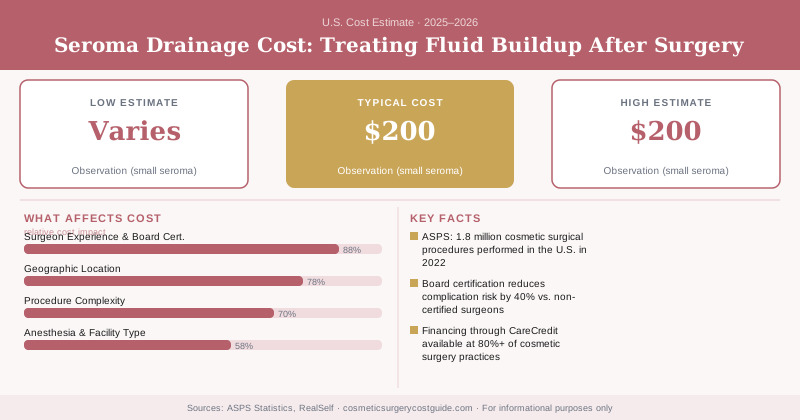
You’re three weeks out from a tummy tuck, the swelling should be going down, and instead there’s a soft, sloshy pocket that wobbles when you touch it. That’s a seroma — a collection of clear fluid under the skin — and it’s one of the most common things that brings cosmetic surgery patients back to the office.
Seroma is a frequently reported complication after large-surface procedures, with the Aesthetic Society and surgical literature noting tummy tucks and large liposuction cases as the most prone. The cost to treat it depends on how stubborn it is.
Why Seromas Form
When surgery lifts skin off the underlying tissue — as in a tummy tuck — it leaves a space. That space can fill with the body’s own fluid. Drains and compression garments are meant to prevent it, but seromas still happen, especially in larger procedures or when patients are too active too soon.
Seroma Drainage Cost
| Treatment | Cost Range | When It’s Used |
|---|---|---|
| Observation (small seroma) | $0–$200 | Tiny, likely to reabsorb |
| In-office aspiration (per visit) | $200–$600 | Standard drainage with a needle |
| Multiple aspirations | $600–$2,000 | Recurrent fluid, several visits |
| Drain placement | $500–$1,500 | Persistent seroma |
| Surgical treatment (sclerosis/excision) | $2,000–$3,000+ | Chronic, encapsulated seroma |
Most seromas resolve with one to a few in-office aspirations. The stubborn ones that wall themselves off into a chronic capsule are the expensive minority.
When It Becomes Chronic
A seroma that keeps coming back can form a fibrous lining — a pseudobursa — that won’t close on its own. At that point, simple aspiration won’t cut it. The surgeon may inject a sclerosing agent to irritate the lining closed, or in rare cases excise the capsule surgically. That’s when the cost jumps.
A seroma that becomes warm, red, increasingly painful, or comes with a fever may be infected — that’s no longer a simple fluid pocket. Infection needs prompt antibiotics and sometimes drainage, and ignoring it can escalate fast. Call your surgeon if a seroma changes character.
Which Procedures Are Highest Risk
Tummy tucks lead the list because of the large lifted surface. Large-volume liposuction and body lifts are close behind. If you’re planning a tummy tuck, ask your surgeon about progressive tension sutures and drain protocols — both lower seroma risk.
Seroma drainage usually costs $200–$600 per in-office aspiration, with most cases resolving in a few visits. Chronic, encapsulated seromas needing surgical treatment can reach $3,000+. Watch for warmth, redness, or fever — those signal infection, which is a different and more urgent problem.
Prevention
Wear your compression garment exactly as instructed, keep activity limited in the early weeks, and don’t pull your drains early. These cost nothing and prevent most seromas. Following post-op orders is genuinely the cheapest treatment.
Who Pays
Like most complications after elective surgery, seroma care often falls to the patient as part of the cosmetic episode. Some surgeons include aftercare; many bill separately. Clarify upfront, and if a complication does land out of pocket, cosmetic surgery financing or your surgeon’s cosmetic surgery revision policy can help.
How Aspiration Actually Works
The in-office drainage itself is quick and far less dramatic than it sounds. The surgeon numbs the skin, inserts a needle into the fluid pocket, and draws the fluid out with a syringe — often several ounces. It pinches but usually isn’t very painful, and you walk out the same visit. The fluid can refill, which is why repeat visits sometimes happen. Each aspiration also makes the pocket slightly more likely to close as the space shrinks.
Don’t Skip the Compression Garment
This is the cheapest seroma insurance there is, and the most commonly ignored. The garment presses the lifted skin back against the underlying tissue so fluid has nowhere to pool. Patients who ditch it early because it’s uncomfortable are the ones who tend to come back with a sloshing pocket. Wearing it for the full prescribed window — often weeks — costs you nothing extra and can save several aspiration visits.
When Drains Come Into Play
For higher-risk procedures, surgeons place drains during surgery specifically to prevent seromas, removing them once output drops. If a seroma forms after the drains are out, the surgeon may place a new one rather than aspirate repeatedly. A reinserted drain is more involved than a needle but spares you multiple office trips for stubborn fluid. It’s a judgment call your surgeon makes based on how the pocket behaves.
Bottom Line
A seroma is common, usually minor, and typically resolved with a few cheap aspirations. The cost only climbs if it turns chronic or gets infected — so wear your compression, take it easy early, and call your surgeon if the pocket changes.
Frequently Asked Questions
Seroma drainage typically costs $200–$3,000 depending on the treatment method. Simple needle aspiration in the surgeon's office runs $200–$800, while repeated drainage visits or ultrasound-guided procedures cost $1,000–$2,000, and surgical removal under anesthesia can reach $2,500–$3,000.
Most insurance plans cover seroma drainage if it's deemed medically necessary and occurs as a complication of a covered surgical procedure, though cosmetic surgery complications are often excluded. You should expect to pay out-of-pocket if your original procedure was elective cosmetic surgery, or verify coverage by contacting your insurer before treatment.
Seromas typically appear 1–3 weeks post-surgery, as in the example of a three-week post-tummy tuck patient. Treatment starts with needle aspiration (draining fluid with a needle) in the office, and if the seroma recurs, your surgeon may recommend compression garments, repeated drainage, or in resistant cases, surgical removal under anesthesia.