In 2021, semaglutide barely registered in aesthetic medicine conversations. By 2024, plastic surgeons were reshaping their practice models around it. GLP-1 receptor agonists — the drug class that includes Ozempic, Wegovy, Mounjaro, and Zepbound — produced average weight losses of 15–21% in clinical trials. That’s not a dietary supplement result; that’s a category-redefining outcome. And it’s why these medications are now routinely offered at med spas, weight loss clinics, and plastic surgery practices across the country.
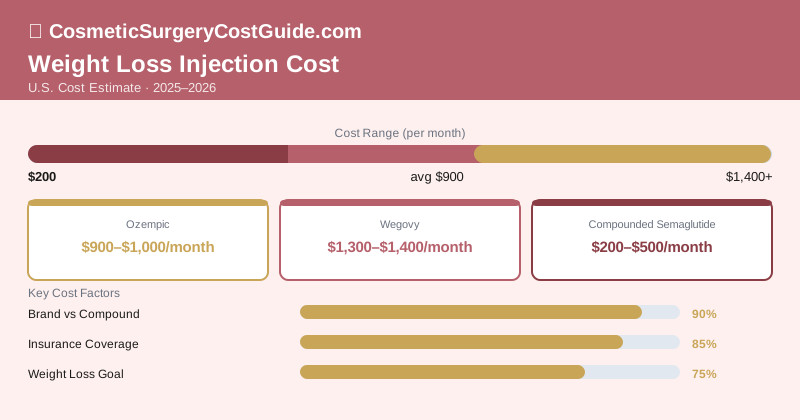
The pricing landscape, though, is genuinely confusing — and the gap between what you might pay at a plastic surgeon’s office versus a med spa versus a telehealth platform is enormous. Branded Wegovy runs $1,300–$1,400 per month at retail. Compounded semaglutide from a med spa might run $200–$500 for the same month’s supply. That difference has a story behind it, and the story matters before you hand over a credit card.
GLP-1 weight loss injection pricing
| Medication | Brand | Monthly Cost (No Insurance) | Notes |
|---|---|---|---|
| Semaglutide | Ozempic (T2D approved) | $900–$1,000 | Most frequently prescribed off-label for weight loss |
| Semaglutide | Wegovy (obesity approved) | $1,300–$1,400 | FDA-approved for chronic weight management |
| Tirzepatide | Mounjaro (T2D approved) | $1,000–$1,100 | Dual GIP/GLP-1 agonist; superior efficacy data |
| Tirzepatide | Zepbound (obesity approved) | $1,060–$1,100 | Obesity-indicated version of Mounjaro |
| Compounded semaglutide | Various (med spa/clinic) | $200–$500 | Not FDA-approved as a final drug product |
| Compounded tirzepatide | Various (med spa/clinic) | $300–$600 | FDA warning issued; currently in legal limbo |
These prices reflect retail without manufacturer savings programs. Novo Nordisk and Eli Lilly both offer savings cards that can bring costs down to $25–$150/month for eligible commercially insured patients — but eligibility rules are strict and change frequently.
Insurance coverage: the T2D vs. obesity divide
This is where patients run into a wall they didn’t anticipate. Coverage of GLP-1 medications follows a split logic that can feel deeply unfair:
For Type 2 Diabetes: Ozempic and Mounjaro are typically covered when prescribed for T2D with appropriate documentation — diagnosis, HbA1c levels, documented failed prior treatments. This makes them highly accessible for diabetic patients, often under $100/month with coverage.
For Obesity (BMI ≥30, or ≥27 with a comorbidity): Wegovy and Zepbound are FDA-approved for obesity but coverage is genuinely inconsistent. Medicare historically excluded obesity drugs from Part D. Many commercial plans exclude them too. Some self-insured employers and state health plans have added coverage based on downstream cost-effectiveness data, but there’s no universal rule.
The off-label route: Many patients receive Ozempic off-label for weight loss without a T2D diagnosis. Typically uncovered by insurance — but legal, and extremely common.
The proliferation of semaglutide at med spas has created significant variation in prescribing quality and clinical oversight. Before starting any GLP-1 program, ask:
- Who is the prescribing physician? The prescription must come from a licensed provider — a medical director signing blank prescriptions without seeing patients is a regulatory violation.
- What baseline labs are required? Fasting glucose, HbA1c, thyroid function (GLP-1s carry a boxed warning for medullary thyroid carcinoma history), kidney and liver function.
- What monitoring happens during treatment? Dose escalation should be supervised; side effects including nausea, gastroparesis, pancreatitis, and gallstones require clinical awareness.
- Is the semaglutide compounded or brand-name? This changes the regulatory status significantly.
Compounded semaglutide: real savings, real concerns
When Wegovy and Ozempic were on FDA shortage lists between 2022 and 2024, compounding pharmacies were legally permitted to produce semaglutide. Hundreds of med spas and weight loss clinics built business models around compounded semaglutide at $200–$500/month — and plenty of patients got real results from it.
As of 2025, the FDA has removed semaglutide from the shortage list, which means compounding pharmacies generally can no longer produce copies of approved drugs without a specific patient need. The FDA has issued warning letters and is pursuing enforcement action against pharmacies continuing to produce semaglutide compound for commercial sale. The tirzepatide situation is similarly unsettled, with ongoing court disputes about shortage status and compounding rights.
The lower cost is real. So is the regulatory uncertainty — and the variable quality control. Multiple adverse event reports involving compounded semaglutide have been filed with the FDA. Compounded products aren’t FDA-approved as final drug products, and batch testing standards vary widely by pharmacy.
GLP-1 receptor agonists are not appropriate for patients with a personal or family history of medullary thyroid carcinoma or Multiple Endocrine Neoplasia syndrome type 2 (MEN-2). This is a boxed warning — the FDA’s most serious safety designation. Anyone prescribing these medications without taking a complete thyroid and endocrine history is practicing below standard of care. Also: rapid weight loss from GLP-1 medications can accelerate facial volume loss — the “Ozempic face” phenomenon that’s now well-documented in aesthetic medicine. Talk to your provider about this before starting.
What results actually look like
The STEP trials for semaglutide (New England Journal of Medicine, 2021) found a mean 14.9% body weight loss at 68 weeks. The SURMOUNT trials for tirzepatide showed up to 20.9% — the strongest efficacy data for any GLP-1 product currently available. These are averages. Some patients lose 5%, others 25%. Non-responders exist, and outcomes depend on dosing adherence, diet quality, and individual metabolism.
GLP-1s work differently from body contouring options like CoolSculpting or liposuction, which target localized fat without systemic weight change. Many patients use both: GLP-1 medications for overall weight reduction, then body contouring to address residual pockets or loose skin once they’ve reached their goal weight.
Bottom Line
Branded GLP-1 medications cost $900–$1,400/month without insurance — a significant, ongoing financial commitment. Coverage depends almost entirely on your diagnosis (T2D vs. obesity) and your specific plan. Compounded versions at $200–$500/month offer real savings but come with regulatory uncertainty and variable quality. If you’re going the compounded route, prioritize practices with physician oversight, required baseline labs, and ongoing clinical monitoring. The efficacy data is genuinely strong; navigating the pricing and regulatory landscape just requires some careful homework.